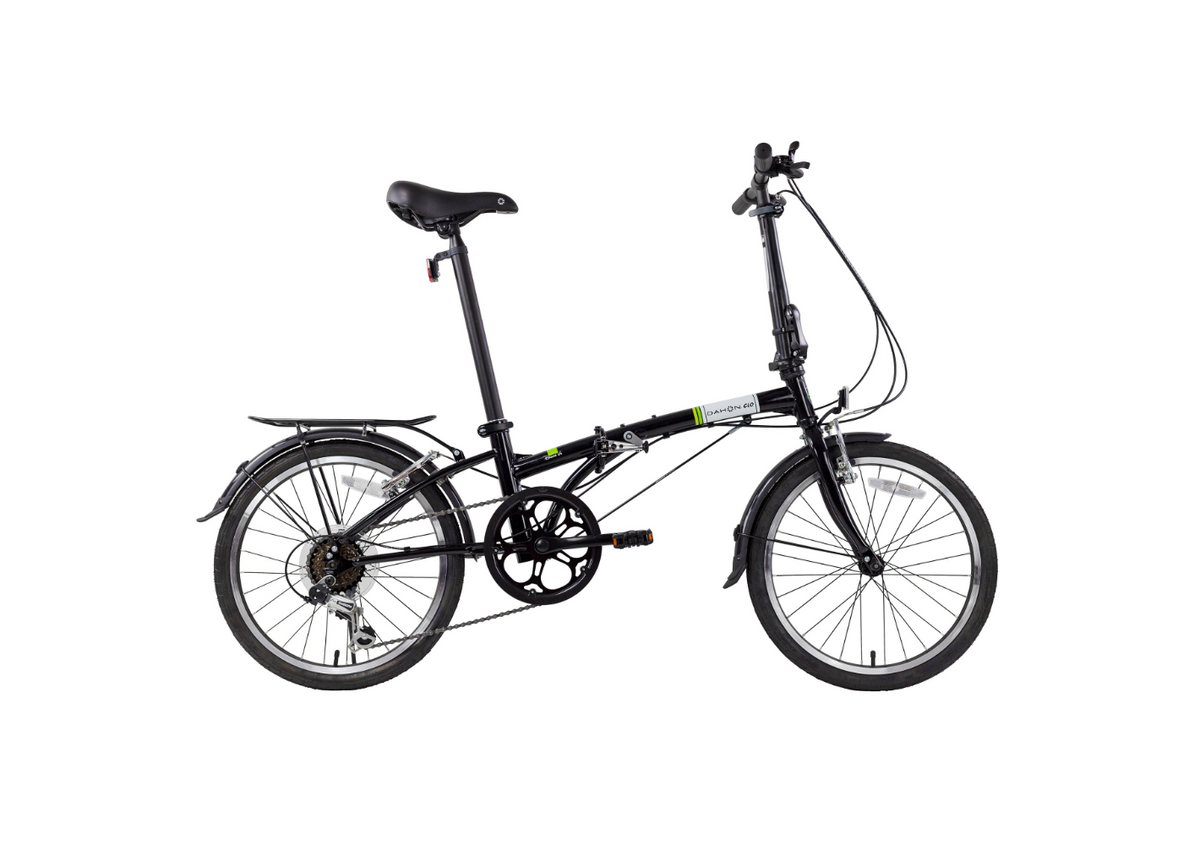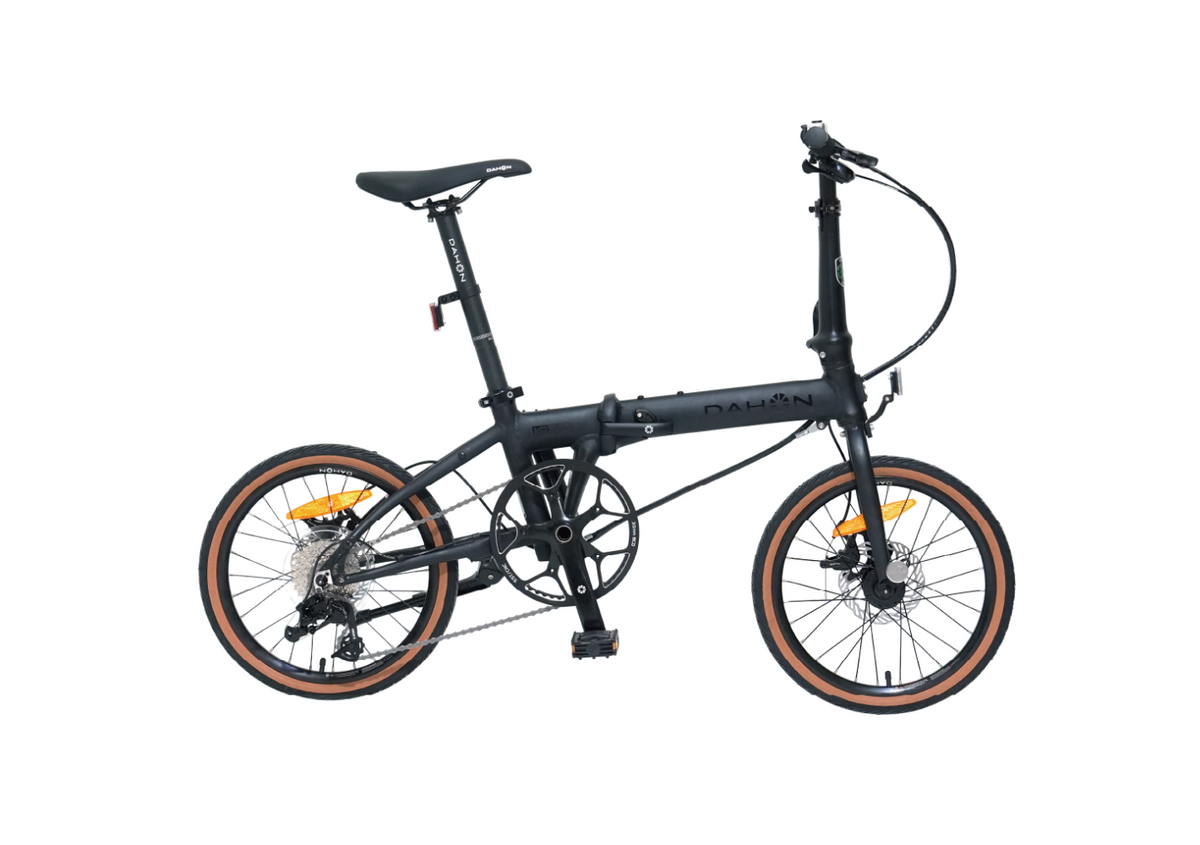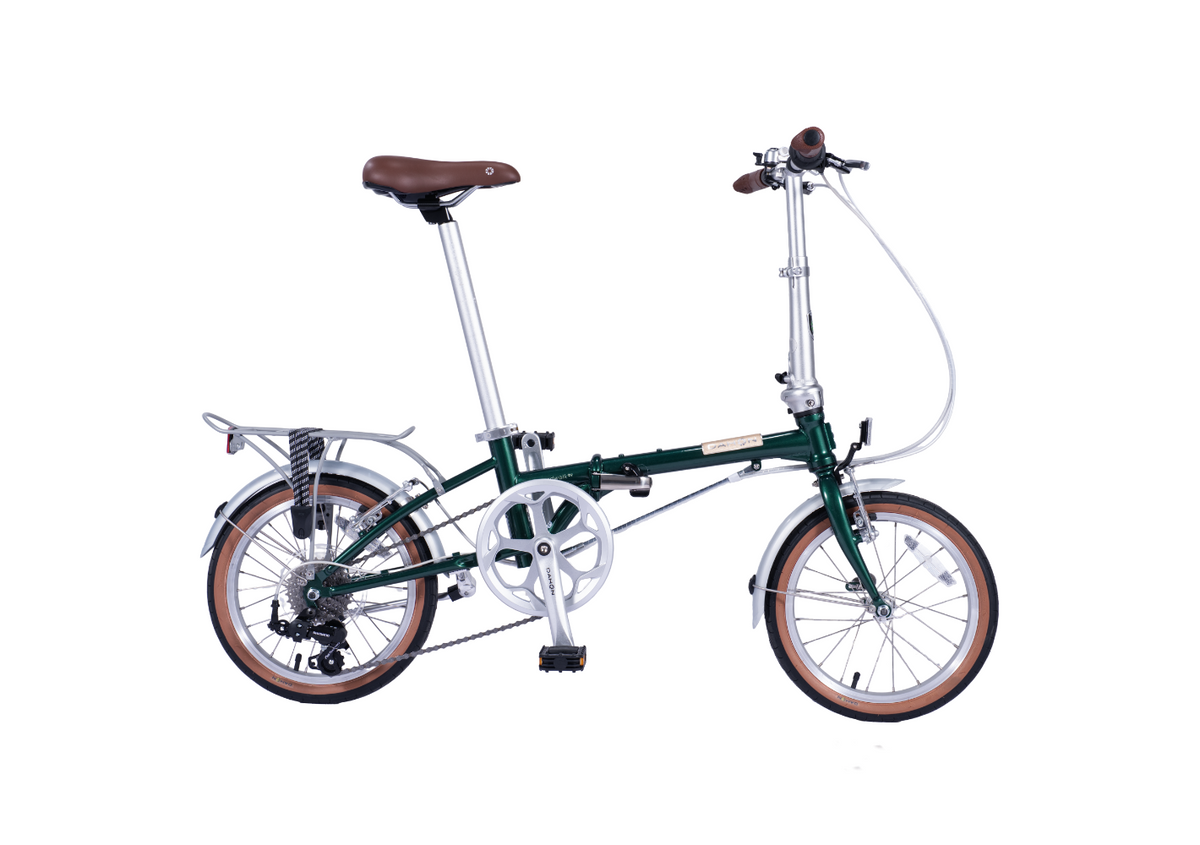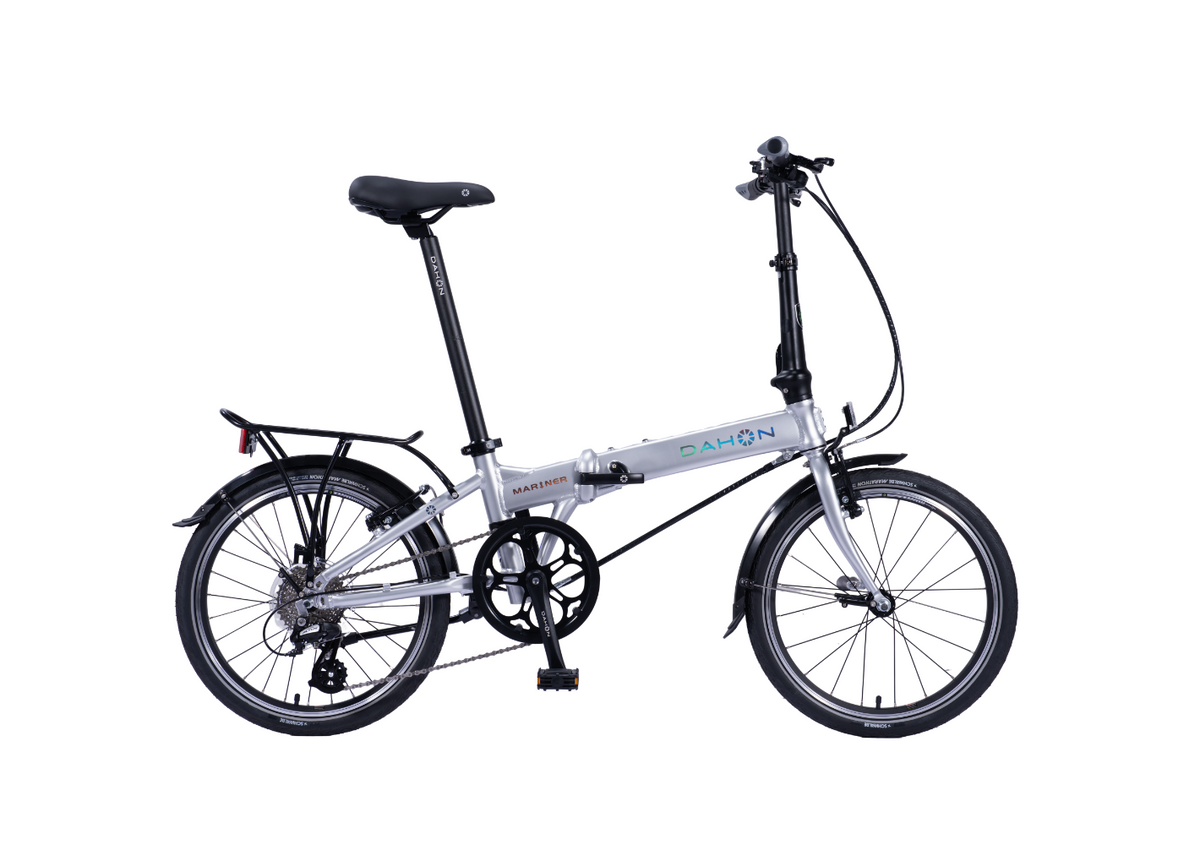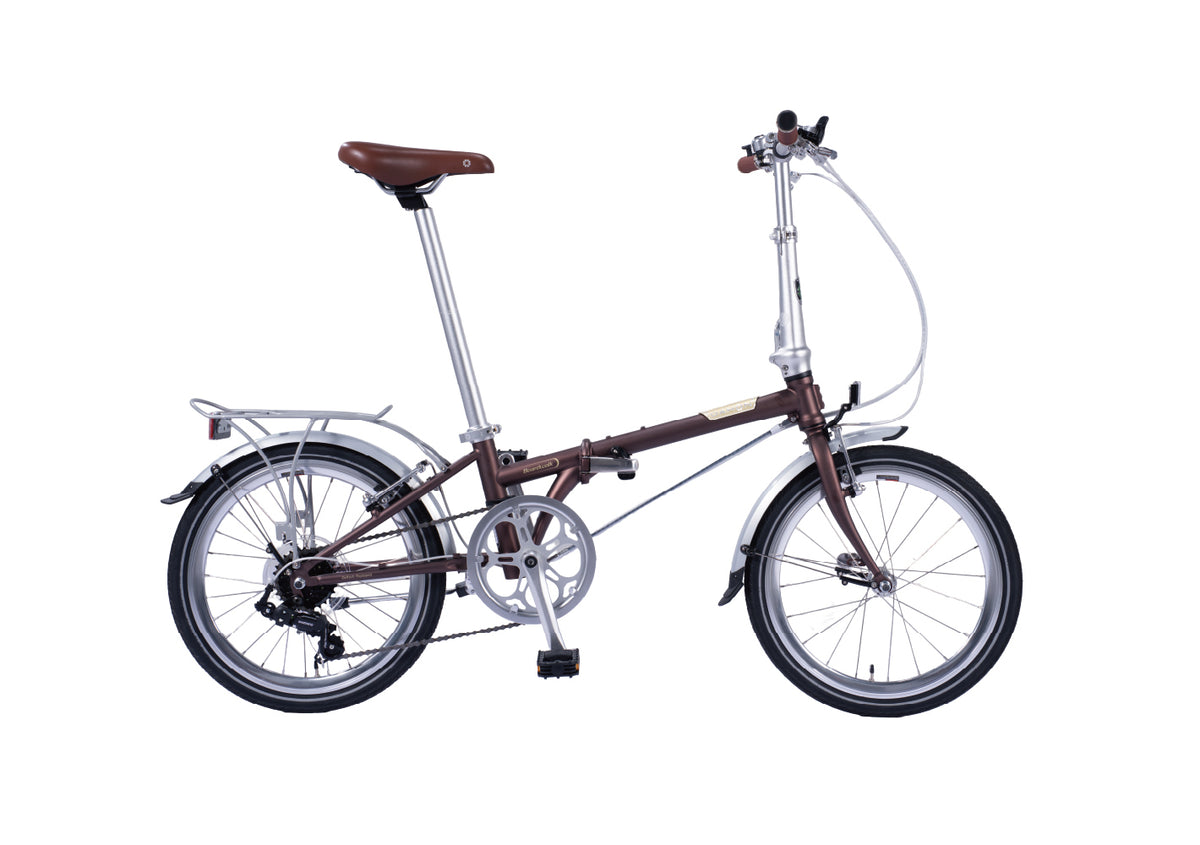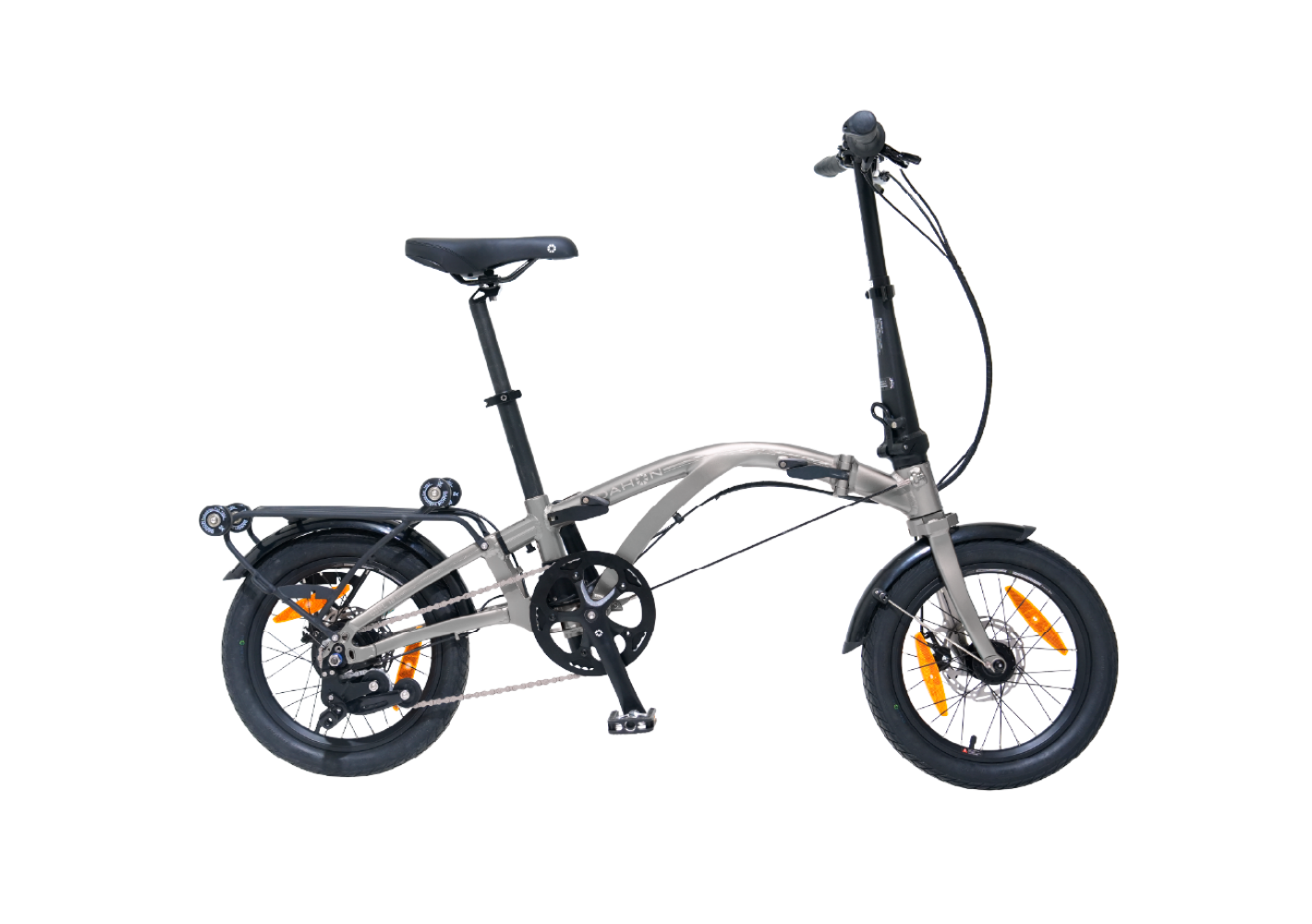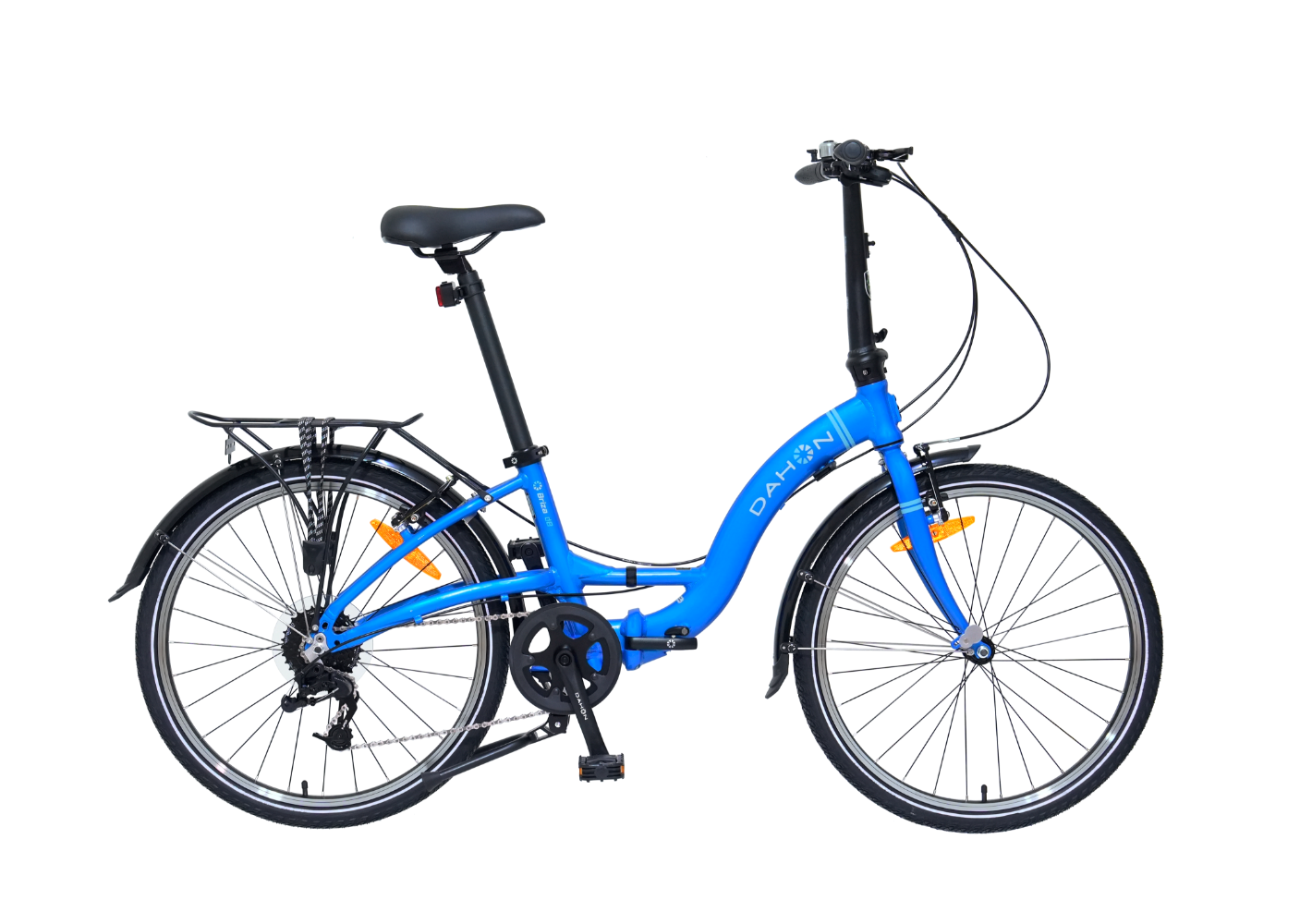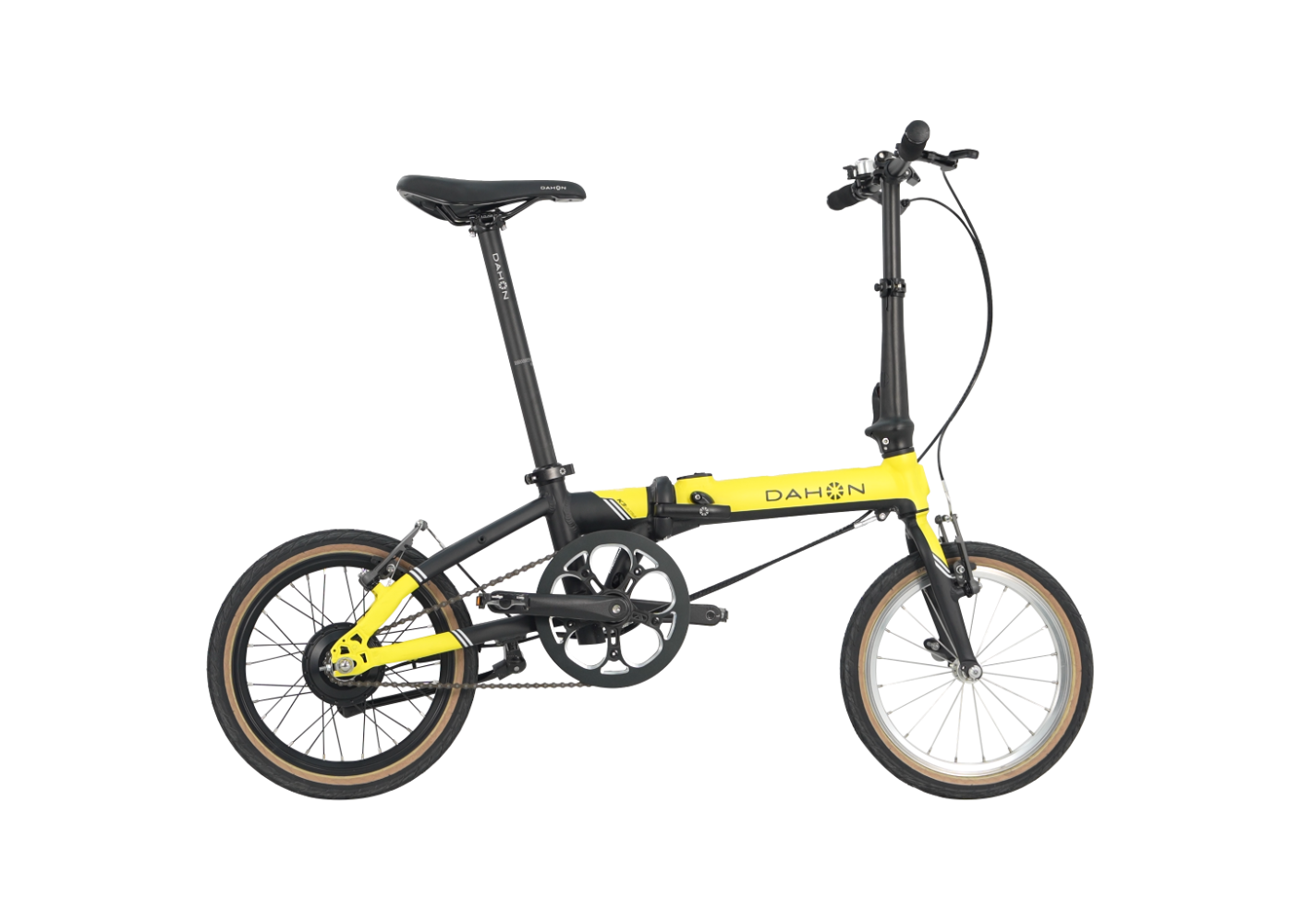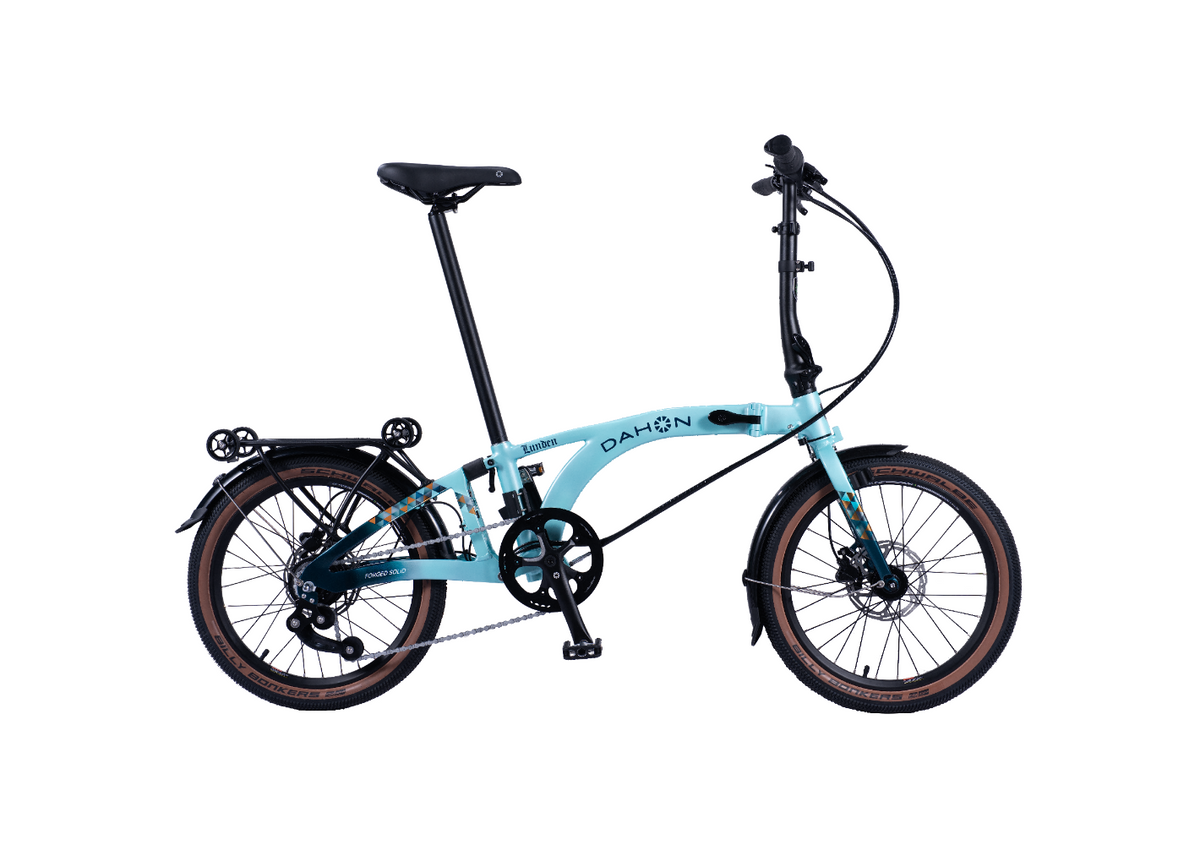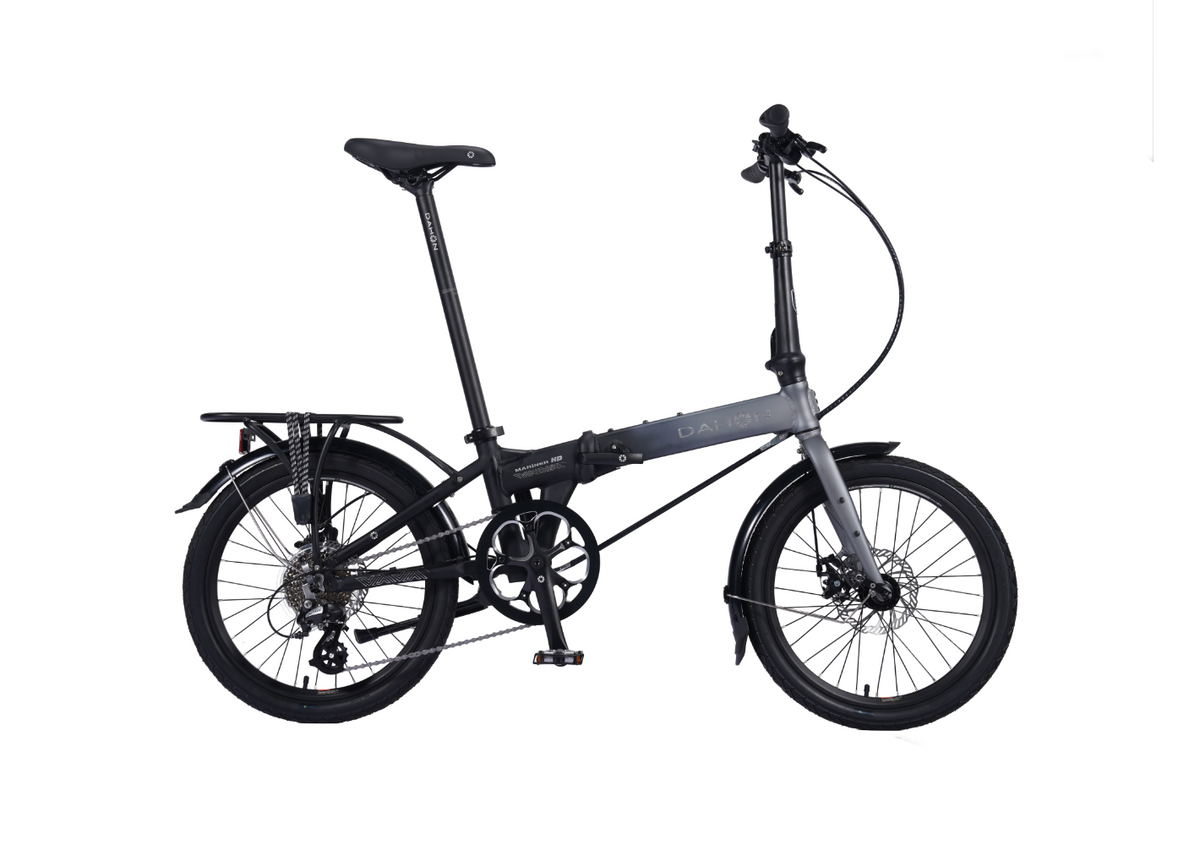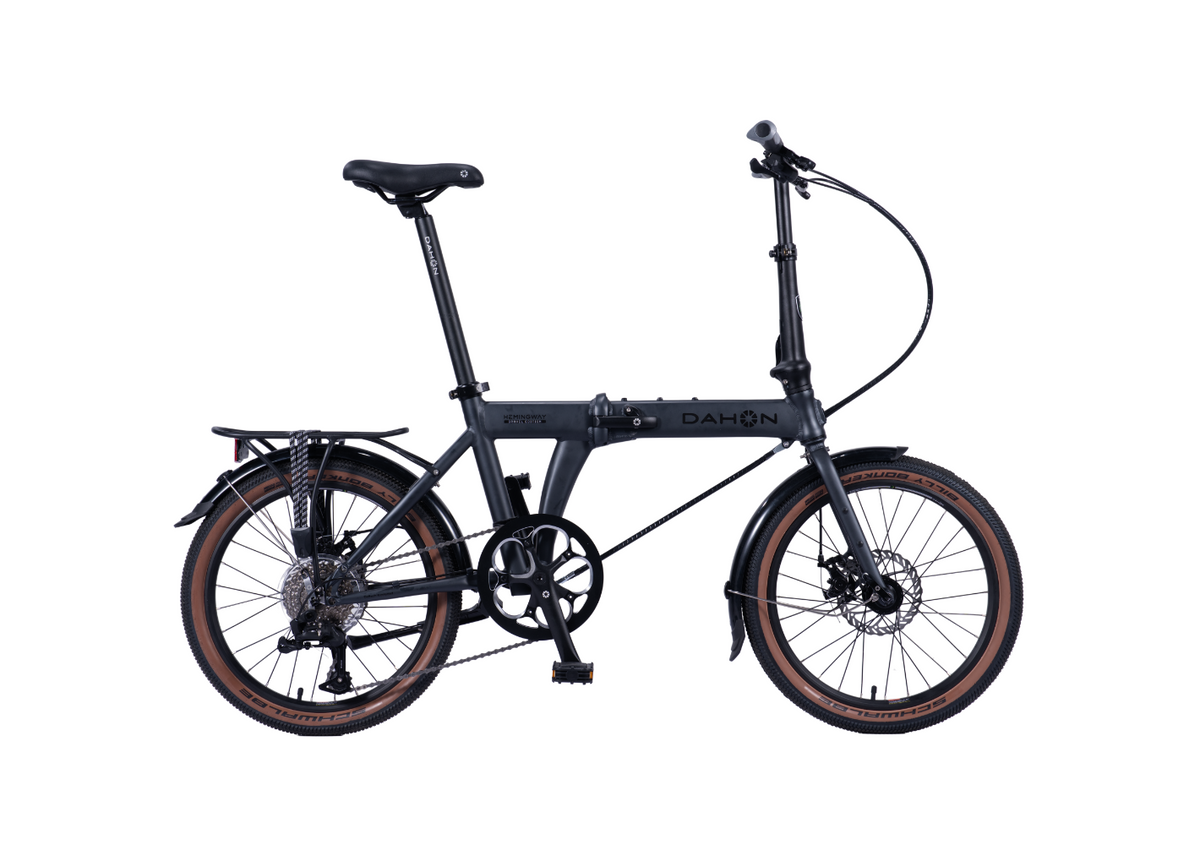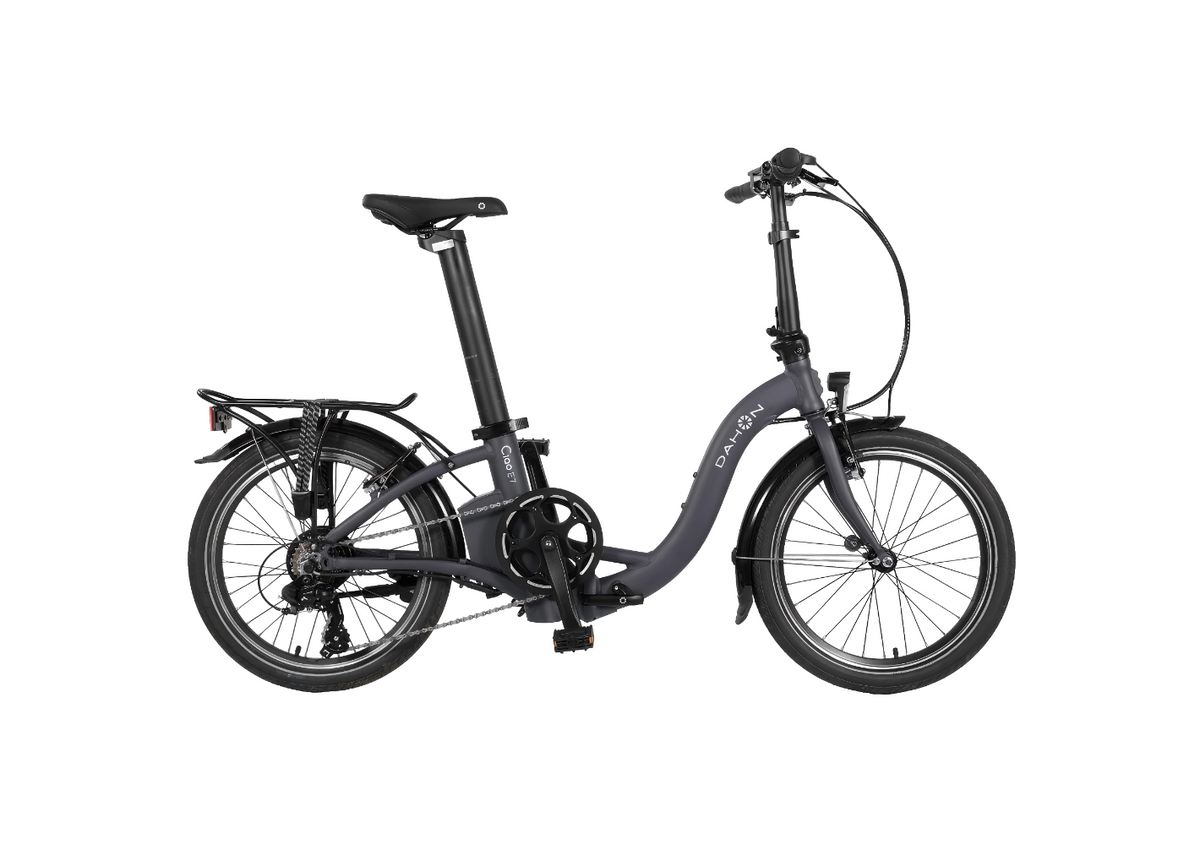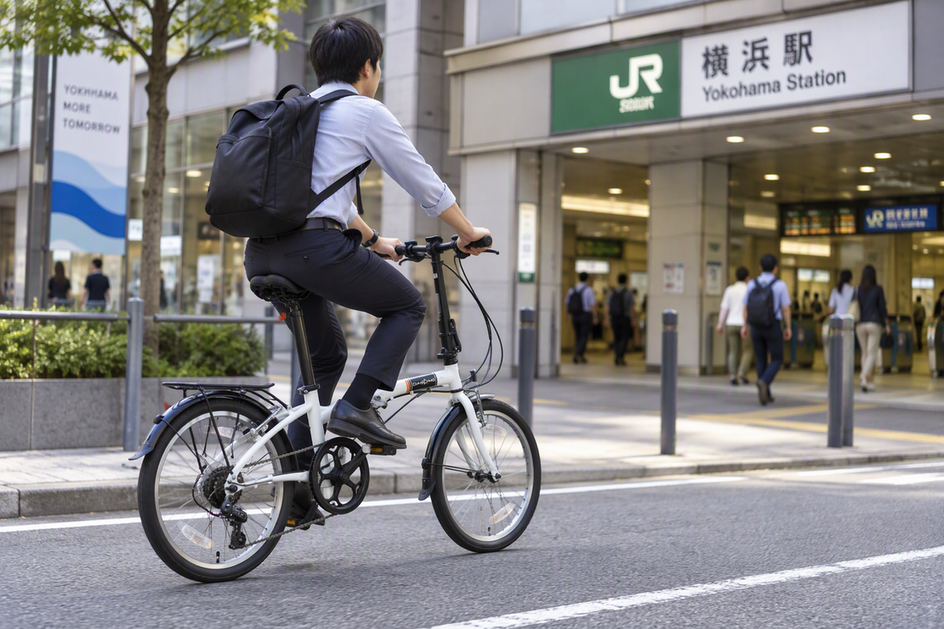
A folding bike is worth it for a hybrid train commute when cycling clearly improves the trips to and from the station on your train days. The fold, carry and storage routine also has to stay easier to live with than your other options. If walking or local transport already handles those legs well, the bike is harder to justify.
So the answer comes from your own week, not from a fixed number of train days. Map one typical commute, check the train rules for each leg, and compare a chosen bike's official details with what you actually have to carry.
When is a folding bike worth it for a hybrid train commute?
It earns its place when your train days include cycling legs that really change the trip. Perhaps the station is too far to walk comfortably. Perhaps the bus connection is slow, or the office sits a long way from the platform. On those days, a compact urban bike that travels with you can turn an awkward last stretch into a simple ride.

It makes less sense in a few cases. One is when the cycling leg is short and pleasant to walk. Another is when a good tram or bus already runs where you need it. A third is when carrying the folded bike up stairs and through crowded stations wears you out more than the ride helps. There is no universal number of train days that settles this. Someone who takes the train twice a week with a long station leg may get more value than someone who takes it four times with a short one.
Compare the cycling benefit with the whole handling routine
Start with a typical work rota and count the days you actually take the train. Then trace one full journey: ride, fold, lift, board, stow, retrieve, unfold and ride again, then park or store the bike at work. Do the same on the way home. That full routine repeats every train day, not just at the moment you board.
Then compare it only with the options that really exist at your stations and workplace:
| Option | May suit you when | Trade-off to weigh |
|---|---|---|
| Folding bike | Station legs are long or poorly served | Fold, carry and storage on every trip |
| Walking or local transport | The leg is already short or well served | Fixed timetables, slower door-to-door legs |
| Station bike or hire | A scheme operates at both ends | Availability must be confirmed locally |
| Full-size bike | Carriage or secure station parking works | Booking rules, or a second bike to park |
If the folding bike is the only option that makes both ends of the trip easy, it is a strong candidate. If another option covers the same legs with less handling, that option usually wins on those days. For tight connections, our guide to transfer and stowage planning covers time buffers, platform walks and a backup plan.

Check the train rules for your actual route
Each operator and service sets its own conditions, so confirm them leg by leg:
- Write down the country, route, operator and service type for every train leg.
- Read the responsible operator's current carriage, ticket and reservation conditions.
- Confirm any extra conditions for regional or local services on that route.
Germany shows why this matters. Under DB's folded-bicycle hand-luggage conditions, folded bicycles travel free as hand luggage, with no bicycle ticket or bicycle-space reservation. They must be stored safely, for example in luggage racks or multi-purpose areas. Aisles, doors and safety equipment such as fire extinguishers must stay clear. If you cannot stow the folded bike that way on a crowded train, plan another option for that trip.
DB also says that rules for bicycles on local trains differ between transport associations. Some restrict bike carriage at certain times, such as rush hour. Treat the DB example as a reference for Germany only, and check your own local association or operator. For more practical help on routes and connections, see our multimodal travel tips.
Check the bike's folded handling fit before relying on it
Permission to carry a folded bike is one question. Whether you can comfortably handle a particular bike on your route is another. Settle it with the model's official details:
- Get the current weight, folded dimensions and folding instructions from the manufacturer's product page or manual.
- Compare the weight with your real lifts: station stairs, train steps and any long walk between platforms.
- Compare the folded size with the luggage racks you expect to use and with storage space at work, such as under a desk or in a cupboard.
- Try the fold and the carry yourself, through a demonstration or test ride if you can, before you build your commute around it.
When you compare models, our guide to folding-bike commute selection covers weight, folded size, wheel size and comfort for the last mile. You can then hold those figures against our range of folding bikes for commuting.
FAQs
Do I need the same bike on non-train days?
No, but it can help. On days you ride the whole way or stay home, the folding bike works as an ordinary urban bike for short trips. If you already own a full-size bike you prefer for longer rides, you can keep the folder for train days only.
What if my journey crosses into another country?
Check each operator separately. Conditions published by one national operator apply to its own services, not to a partner operator across the border. Look up the rules for every leg before you travel.
Where should I keep the bike at work?
Find that out before buying. Ask whether you can keep a folded bike indoors, under a desk or in a storeroom. Then compare that space with the model's official folded dimensions. If indoor storage is not allowed, check whether secure bike parking is available instead.
Is a trial run worth doing?
Yes. One full test commute at your usual travel time shows how crowded the trains are, how long the fold takes and how the stairs feel. Those details often decide whether the routine is sustainable.