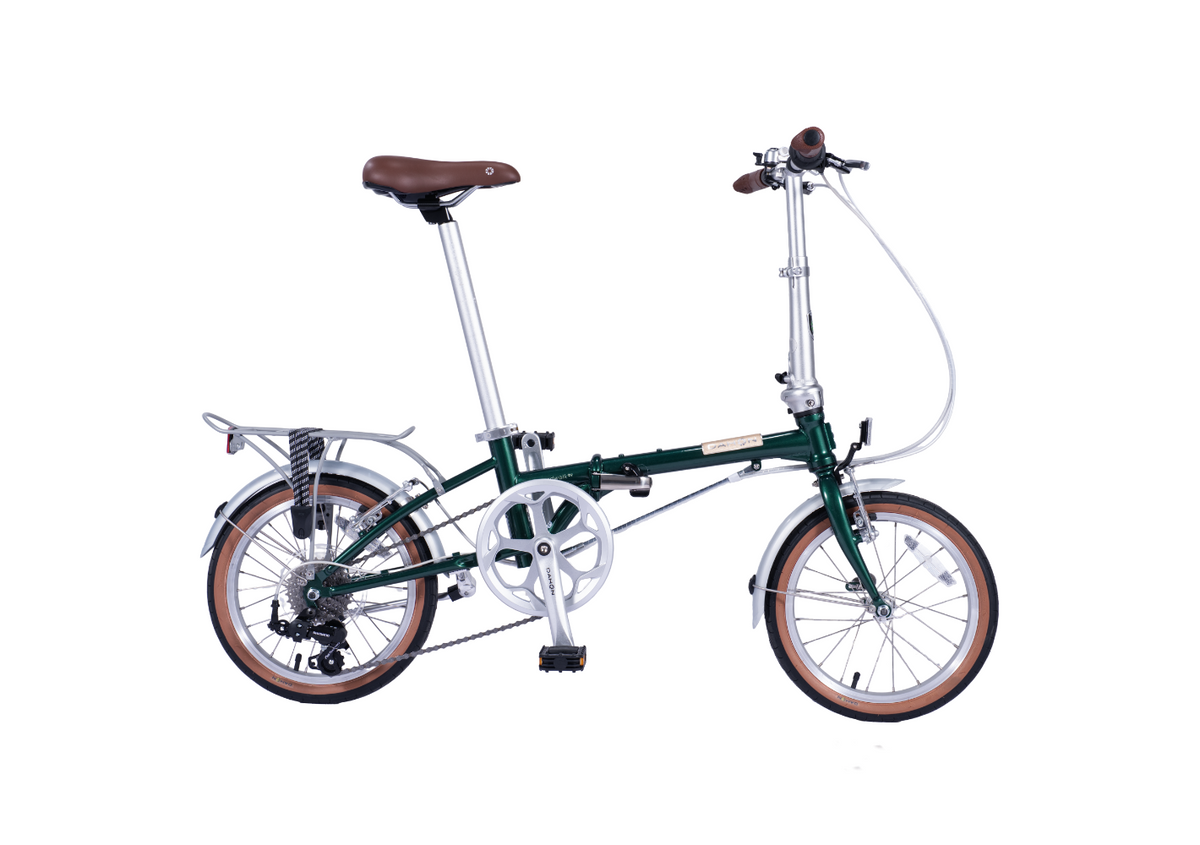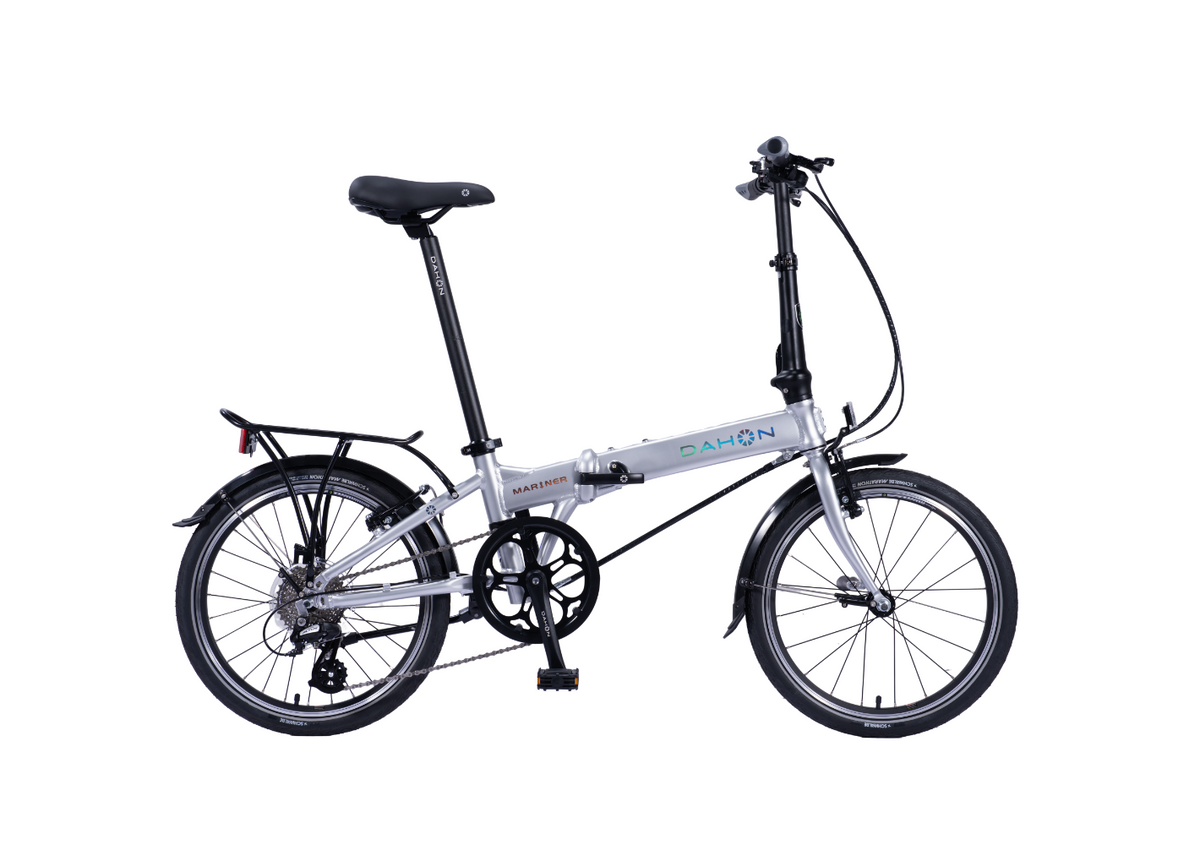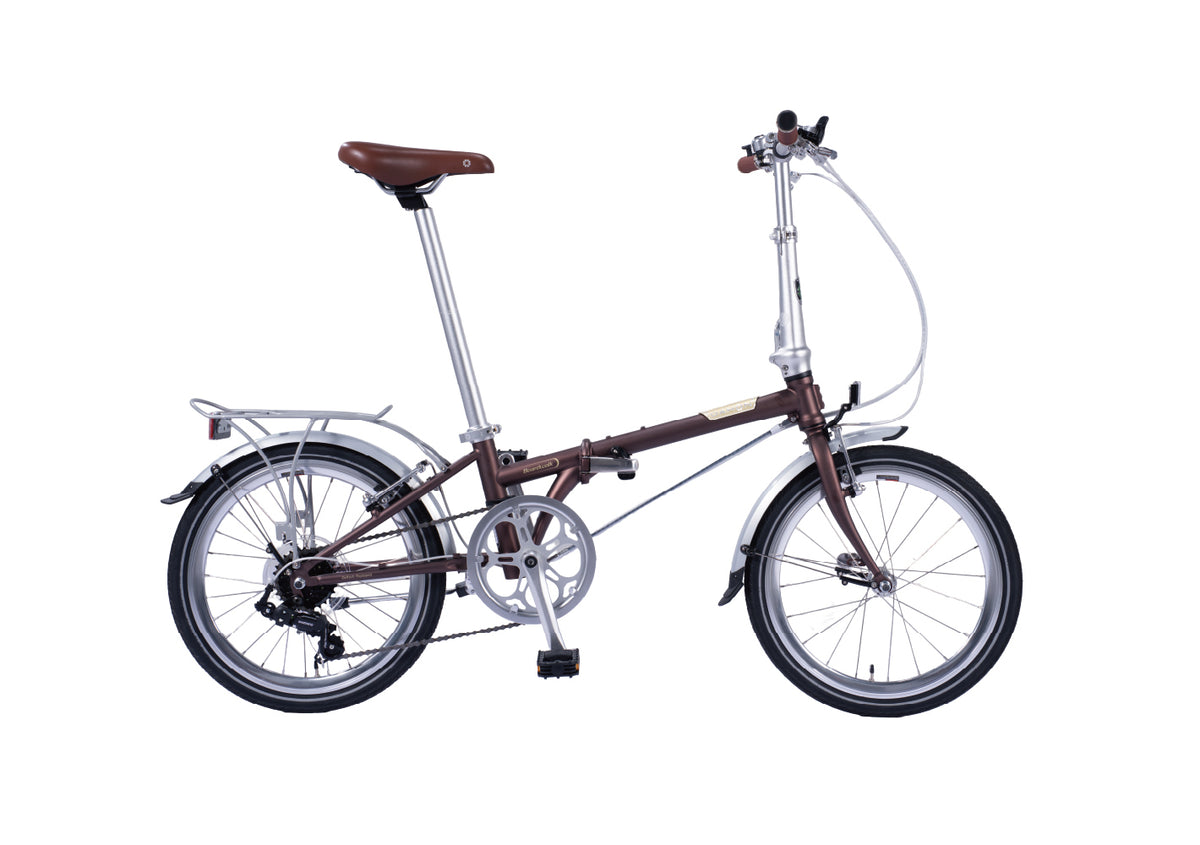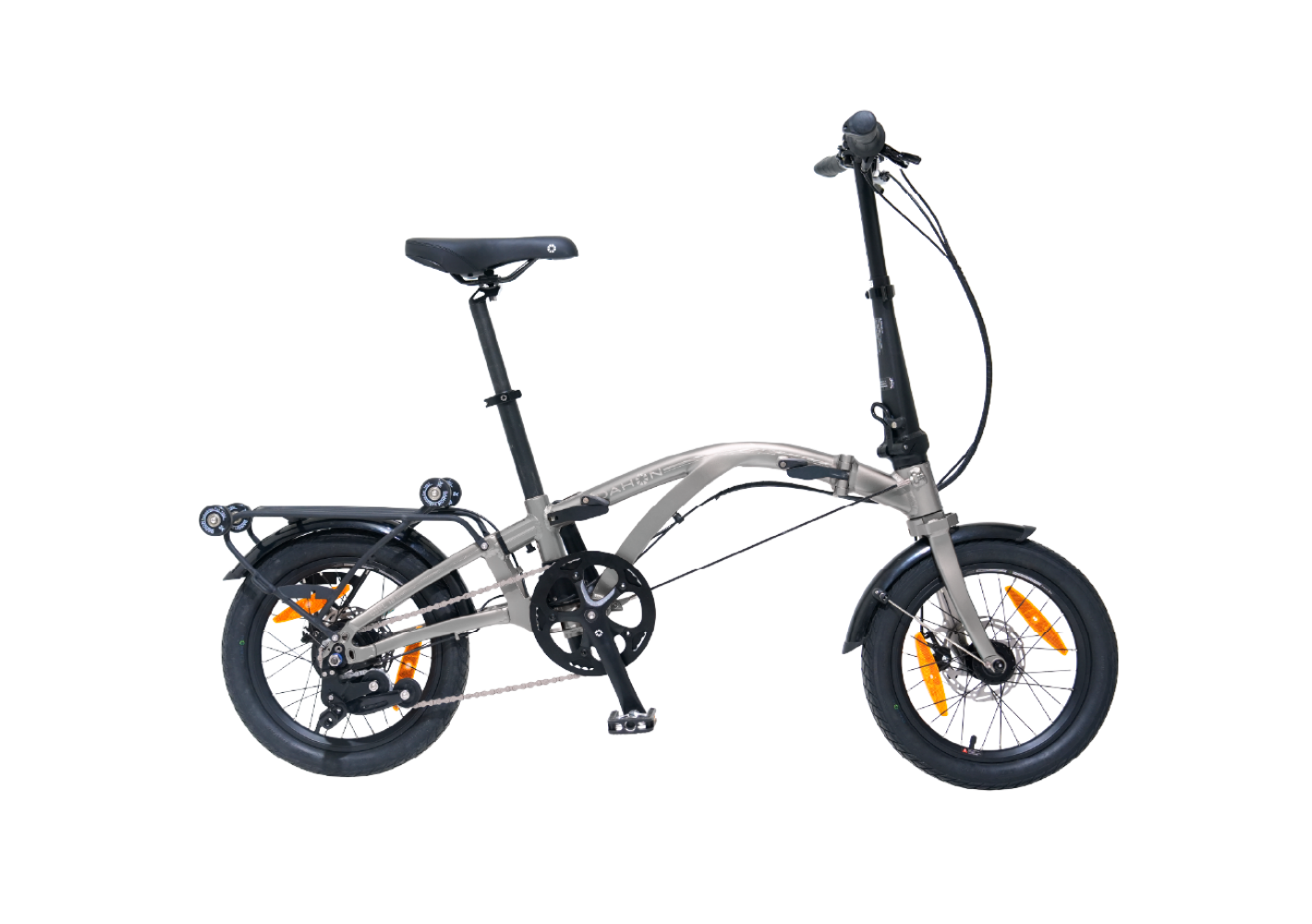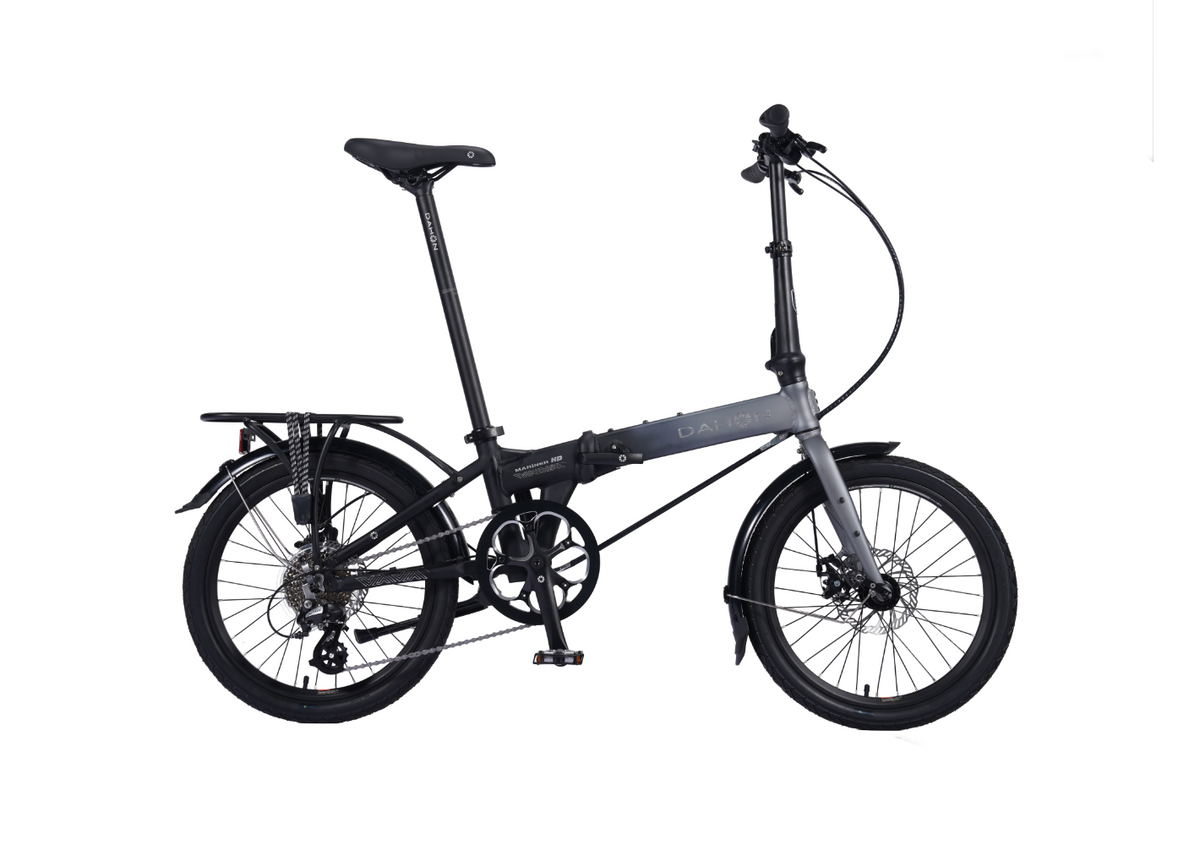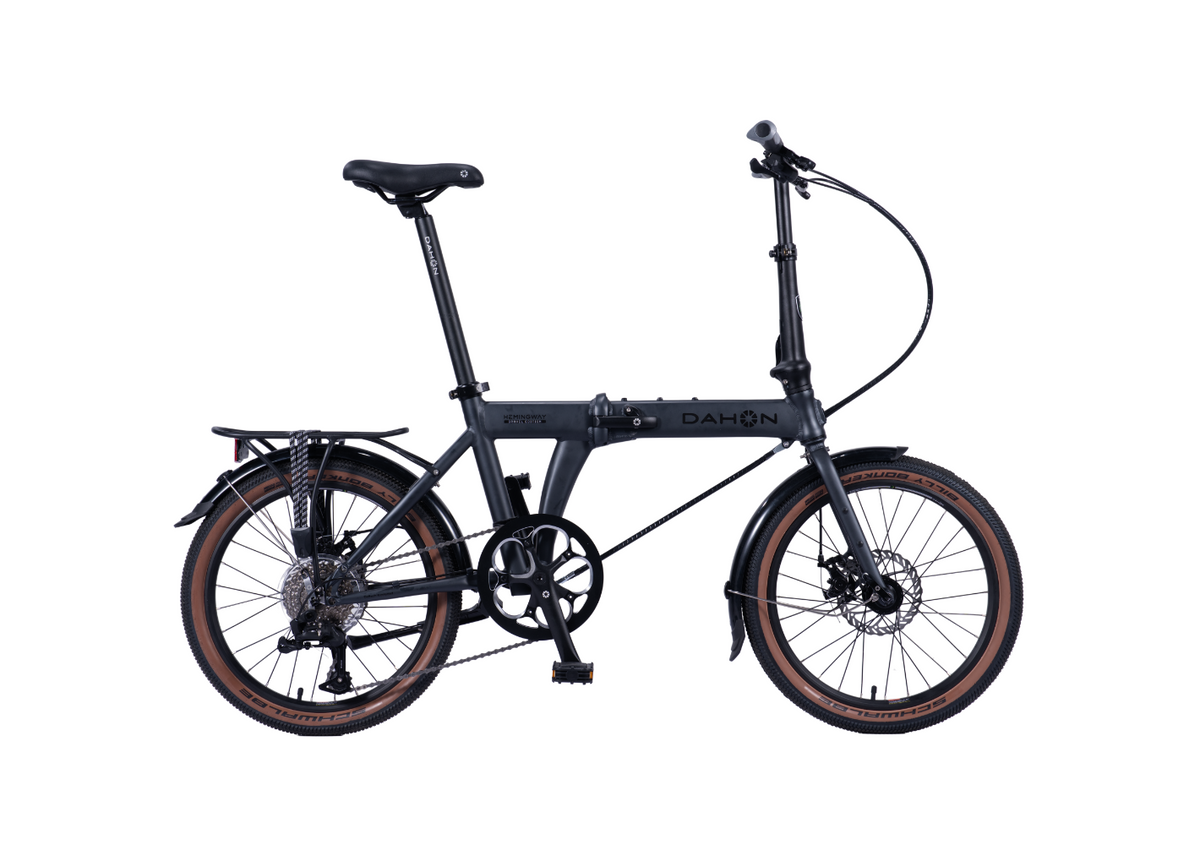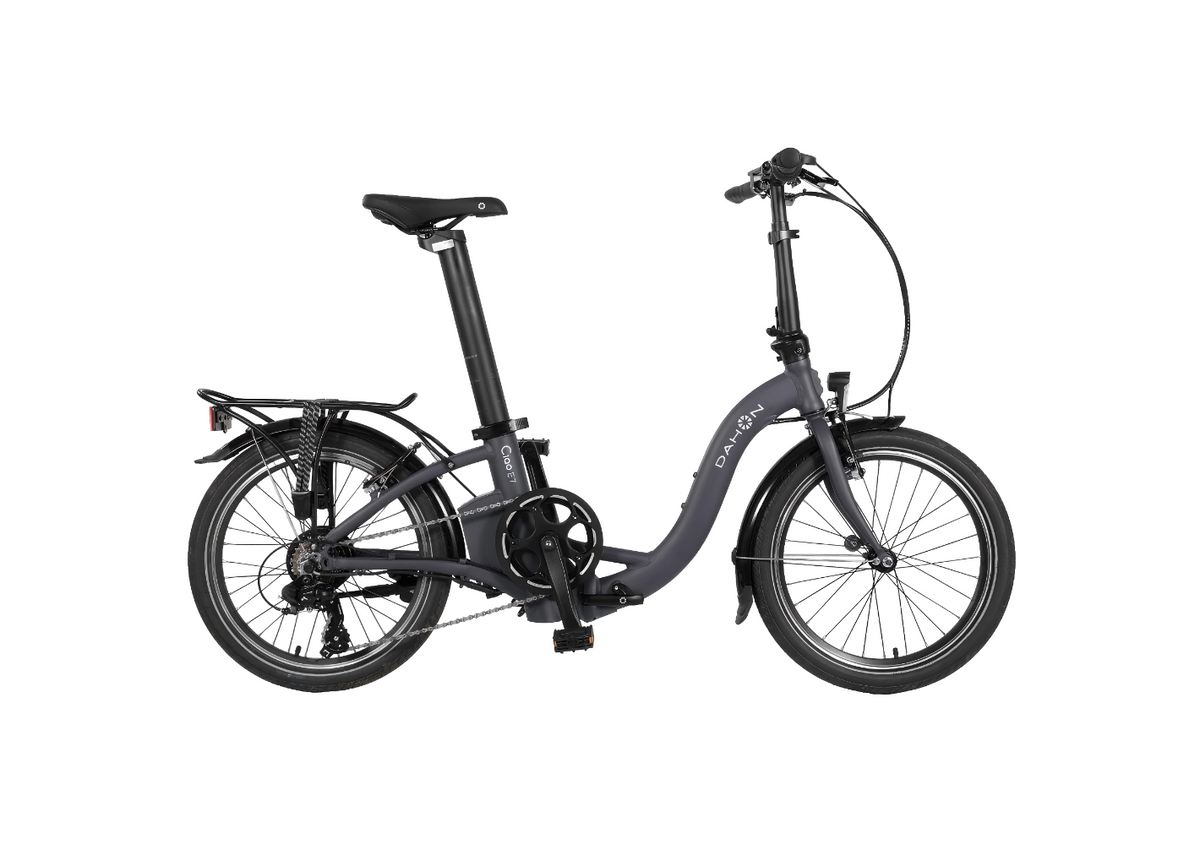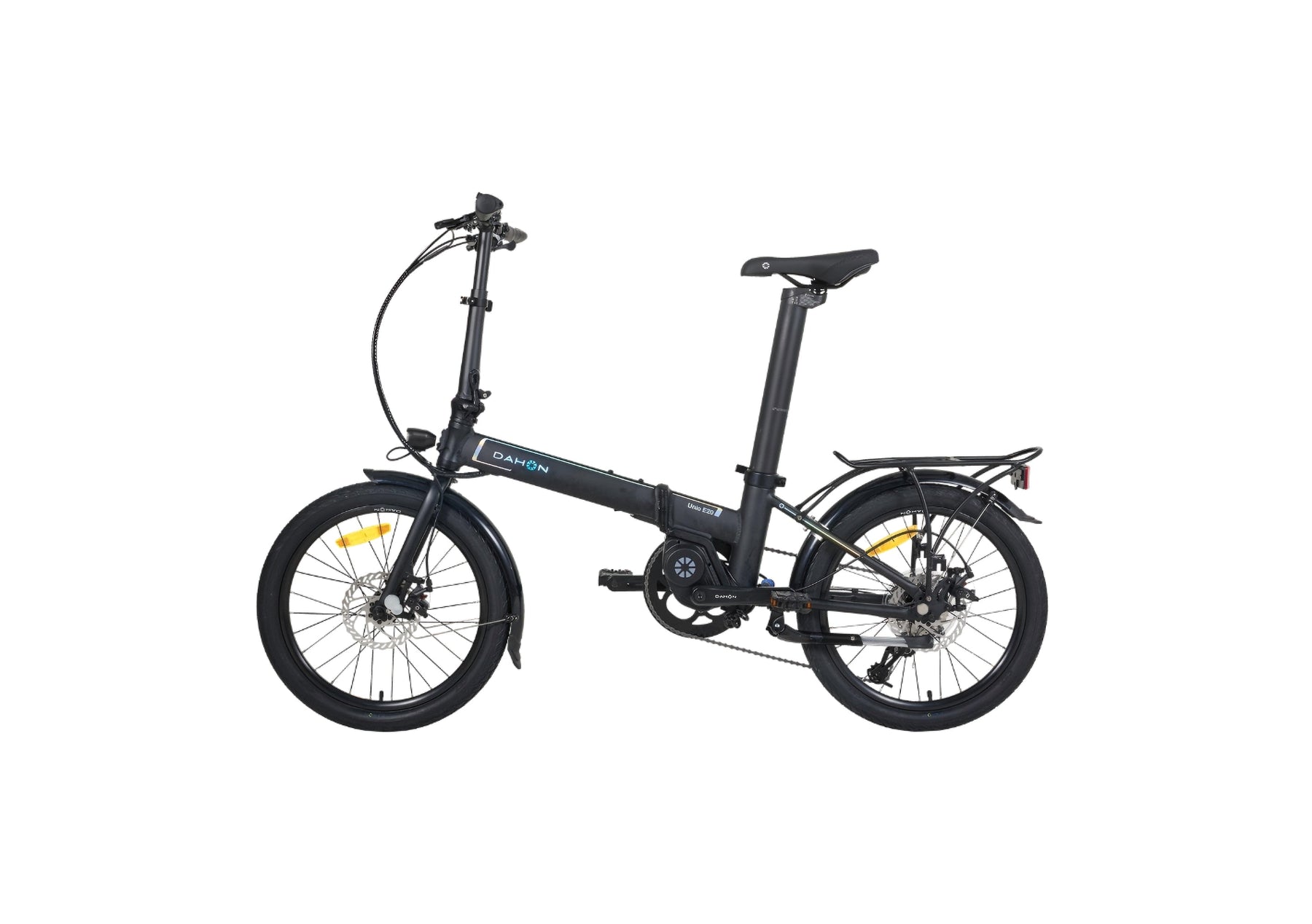
In Germany, the legal status of an e-folding bike does not depend on whether it can be folded – the deciding factors are the type of drive, the dependency on pedaling, and the speed at which motor assistance cuts out.
For everyday use, a pedelec up to 25 km/h is usually the more straightforward choice because it is legally classified as a normal bicycle. With an S-pedelec, however, several factors come into play: a driver's license, helmet requirement, insurance, and fewer options regarding which paths you are permitted to use.
And because the term "e-bike" is used quite loosely in everyday life, you should check the technical documentation before purchasing instead of relying solely on the designation in the shop.

Which class is right for your e-folding bike?
The planned route and the technology are the initial factors for selection. A high proportion of cycle paths points toward a pedelec classified as a bicycle. An S-pedelec, on the other hand, is only suitable for a route where you have planned for the permitted traffic areas and additional obligations. The official comparison overview of pedelecs, S-pedelecs, and e-bikes contrasts the categories and their different requirements.
| Class | Recognizable in the model | More suitable if |
|---|---|---|
| Pedelec up to 25 km/h | Electric pedal assistance. Assistance decreases as speed increases and ends upon reaching 25 km/h or when you stop pedaling. A start-up or pushing aid up to 6 km/h may be permissible even without pedaling. Technical performance characteristics are also decisive for the classification as a bicycle. | You mainly use cycle paths, ride short distances in the city, and wish to avoid the organizational effort of a moped. |
| E-bike in the narrower sense | Motor operation independent of pedaling can indicate a different legal classification. However, the collective term alone does not indicate which class applies. | You can clearly identify the drive function and the associated model documentation. Without this information, the selection remains open. |
| S-Pedelec | Higher assistance threshold and classification as a moped. The complete technical and legal documentation is decisive, not the designation "folding bike". | You can travel a suitable route without regular cycle infrastructure and you plan for a driver's license, license plate, insurance, and helmet. |

A vehicle is only considered a pedelec if it meets the appropriate technical characteristics. The folding function does not confer special status. It makes transport and storage easier, but does not automatically change the vehicle class. The legal classification of e-bikes cannot be derived solely from the product name.
What obligations apply regarding driver's license, helmet, insurance, and license plates?
First, classify the vehicle class based on the technical documentation. Only then can a driver's license, helmet, insurance, and license plate be sensibly assigned. A pedelec legally classified as a bicycle is therefore not to be equated with an S-pedelec.
| Class | To be clarified before use | Practical consequence |
|---|---|---|
| Pedelec up to 25 km/h | For a pedelec legally classified as a bicycle, no driver's license or insurance license plate is generally required. A bicycle helmet is not a general legal requirement. | Bicycle rules generally apply. A helmet and private liability insurance can be voluntary protective choices. |
| E-bike in the narrower sense | The type of drive, vehicle class, and approval documentation determine the obligations. The term "e-bike" is not sufficient for classification. | Depending on the actual class, other requirements may apply. Without reliable documentation, the initial use is not legally conclusively classified. |
| S-Pedelec | The model is to be classified as a moped. At least driver's license class AM or a license that includes AM is required. | Plan for additional organizational effort. The liability insurance and license plate obligation depend on the vehicle class and the applicable regulations. |
For motor vehicles with a design-related maximum speed of more than 20 km/h, § 21a StVO specifies the requirement for a suitable protective helmet. This is not a general helmet requirement for every electric folding bike. Likewise, the general compulsory insurance according to § 1 PflVG does not automatically establish the same obligation for a pedelec classified as a bicycle as for a moped.
If the class, approval, or insurability remains unclear, the initial use has not yet been finally checked. In that case, specifically clarify the conflicting point based on the model documentation instead of mixing voluntary protection with legal obligations.
Where can an electric folding bike be ridden in everyday life?
The appropriate class is determined by the actual route. In addition to travel time and assistance performance, consider the proportion of cycle paths, signage, and the traffic areas you wish to use regularly.
City traffic and short distances
For city trips with frequent cycle paths and many parking or transfer operations, a pedelec classified as a bicycle is usually easier to integrate into the daily route. The folding function can make transport on trains or in cars and parking easier. However, it does not provide its own traffic authorization. During the ride, the vehicle class together with local signage is the deciding factor.
Mandatory use of cycle paths according to the StVO only exists with the corresponding signs 237, 240, or 241. Right-hand cycle paths without these signs may be used, as shown by the rules for the use of cycle paths. This rule results from the specific signage and not from the folded size or the product name.
Commuting and proportion of cycle paths
For a regular commute with a high proportion of cycle paths, a pedelec up to 25 km/h is often the more obvious class, provided the technical documentation confirms the classification as a bicycle. You should not automatically plan on an S-pedelec for such a route: It is generally not usable on cycle infrastructure like a conventional pedelec. The Federal Mobility Forum lists the moped classification and the fundamental rules for S-pedelecs.
On a route with frequent changes between road and cycle path, the permitted traffic areas are the deciding factor, not just the higher assistance. An explicitly signed special regulation can change the assessment of a specific route. Without such a clear indication, the route should not be planned as an S-pedelec route.
Which documents should you check before buying?
Only shortlist an electric folding bike if technical specifications, vehicle class, obligations, and planned route are consistently aligned. The legal equality of certain pedelecs with bicycles results from § 1 Para. 3 StVG. This mentions, among other things, the electric pedal assistance up to 0.25 kW as well as the interruption of assistance at 25 km/h or when pedaling stops.
- Determine vehicle class: Read the data sheet, operating instructions, and available conformity or approval documents. Look for a clear classification there and not just "e-folding bike" or "e-bike".
- Check drive: Check whether the assistance is bound to pedaling, at what speed it ends, and what nominal continuous power is specified. For a pedelec, § 63a StVZO mentions electric pedal assistance up to 0.25 kW as well as interruption at 25 km/h or as soon as you stop pedaling.
- Recognize contradictions: Compare the product page, data sheet, instructions, and approval documents. A motor specification alone does not decide the legal class.
- Assign obligations and route: Derive the driver's license, helmet, insurance, license plate, and permitted traffic areas from the confirmed class. Compare these requirements with your actual commute or city route.
- Clarify open details in writing: If a technical or legal specification is missing, ask the provider or a responsible authority specifically about this point. Only when the documents provide a coherent picture should the model be included in the shortlist.
Missing information does not automatically prove that a model is inadmissible. However, it prevents a secure purchase decision until the drive, assistance limit, and legal class have been reliably clarified. For the legal use of an e-bike in Germany, the actual vehicle class is therefore more important than the shop category.
A clear order of priority applies to the selection: First, determine the class based on the documents, then align the obligations and the route, and only then buy a model. A pedelec up to 25 km/h is better suited to everyday life with many cycle paths. An S-pedelec should only be considered if the route and additional organizational effort are suitable.
FAQs about the electric folding bike
The answers depend first on the legal vehicle class. In case of contradictory information, you should check the model documentation before using or buying the vehicle.
Does an electric folding bike need a license plate?
A pedelec that is legally classified as a bicycle generally does not need an insurance license plate. For an S-pedelec classified as a moped, an insurance license plate is generally required. For a model referred to as an "e-bike," the actual type of drive is the deciding factor. The complete model documentation is the authority for this.
Is an S-pedelec allowed on the cycle path?
An S-pedelec is generally not permitted to use cycle infrastructure like a standard pedelec. The signage and an explicitly regulated exception are decisive for the specific route. If such a clear indication is missing, do not plan your commute with the cycle path as a regular traffic area.
Which driver's license do you need for an S-pedelec?
For an S-pedelec classified as a moped, at least driver's license class AM is required. A class B driver's license already includes class AM. Before purchasing, you should compare the vehicle documents with this classification. The designation "S-pedelec" in a shop does not replace the verification of the documents.
Is insurance necessary for an electric folding bike?
For a pedelec classified as a bicycle, there is generally no requirement for an insurance license plate. For a model classified as a moped, the question of liability and license plates must be treated differently. Therefore, the confirmed vehicle class is the deciding factor, not the folding function or the general designation.