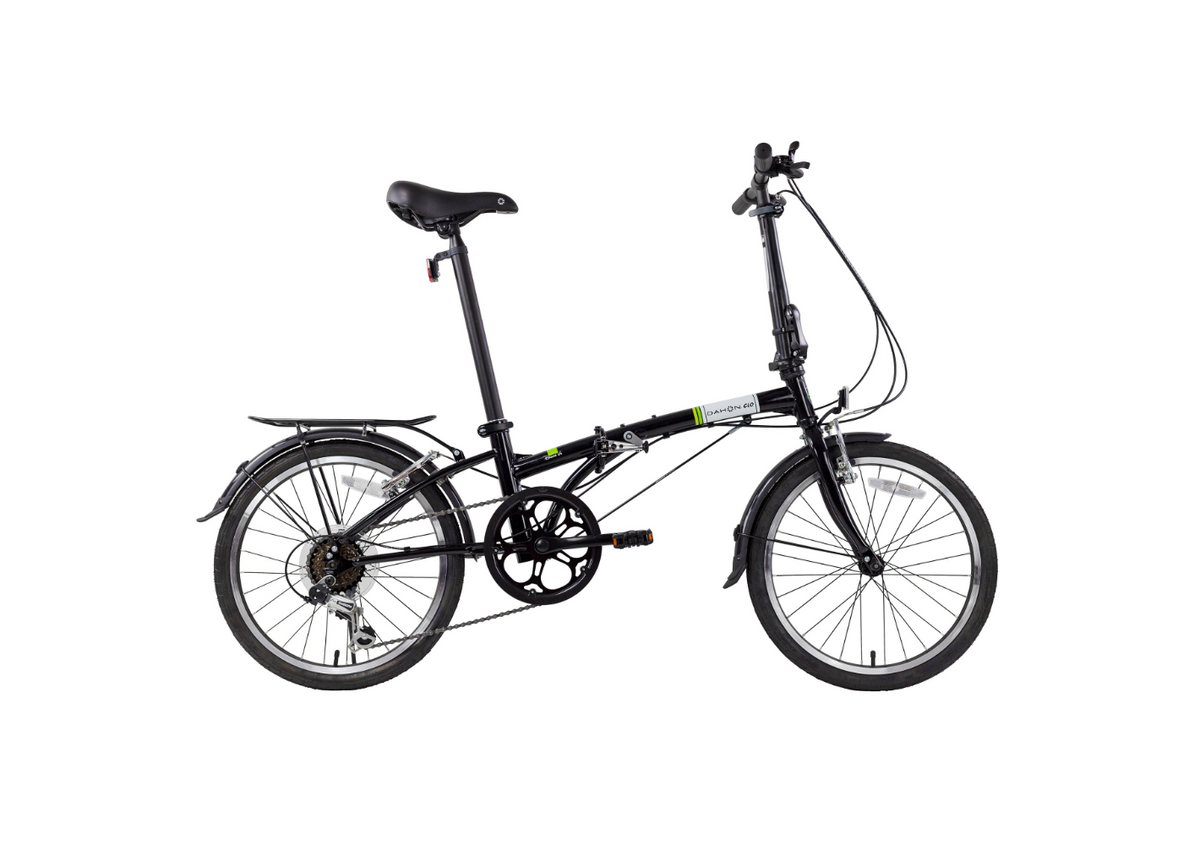
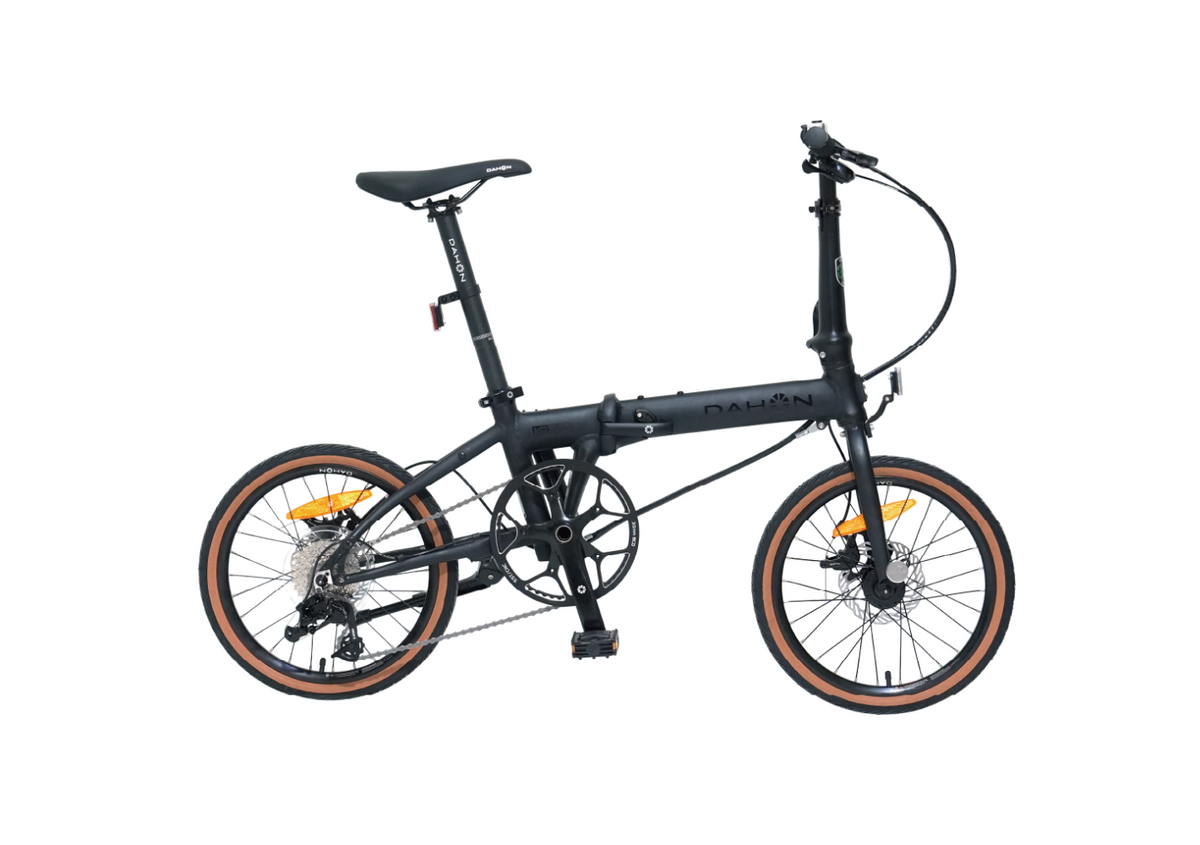
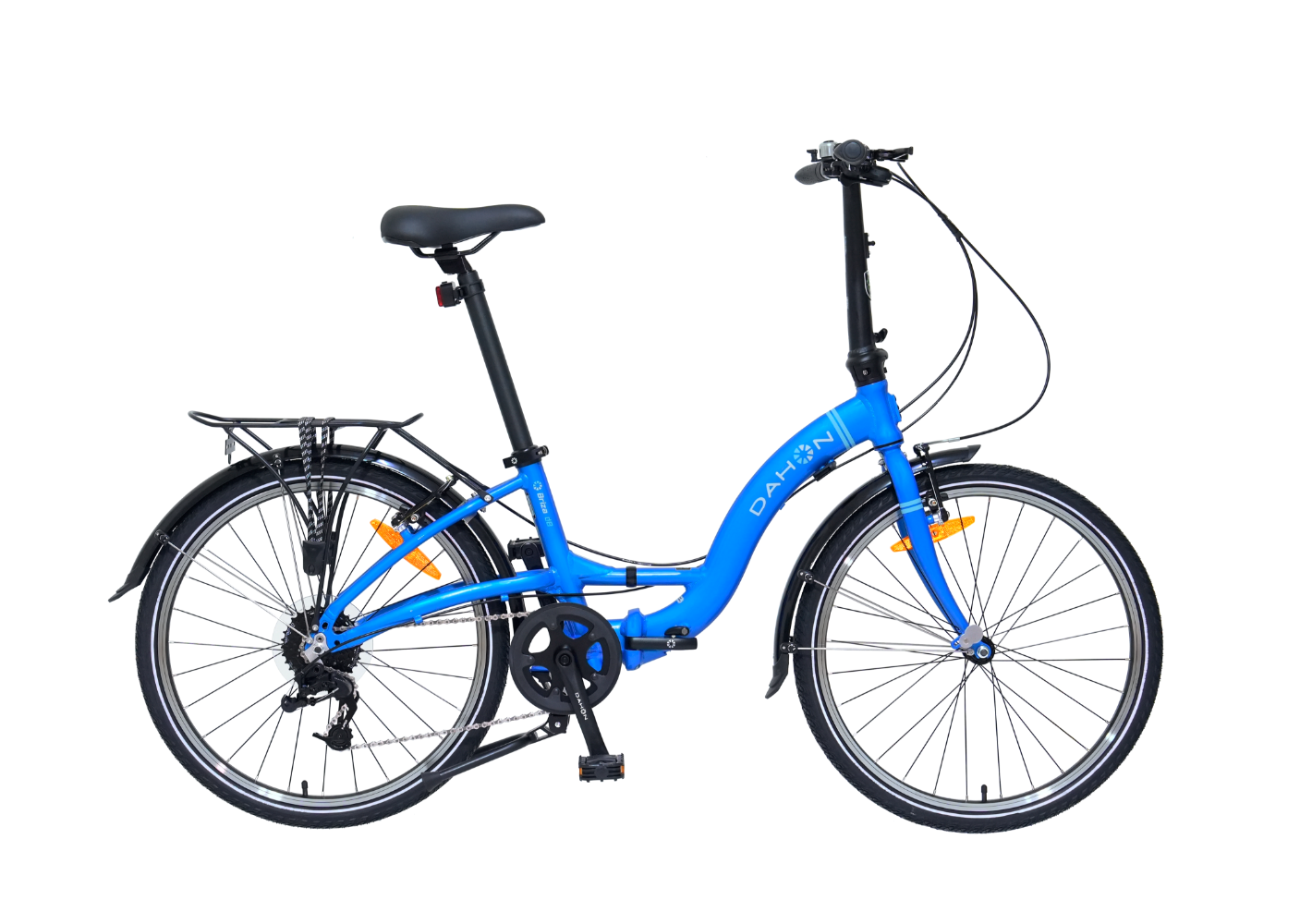
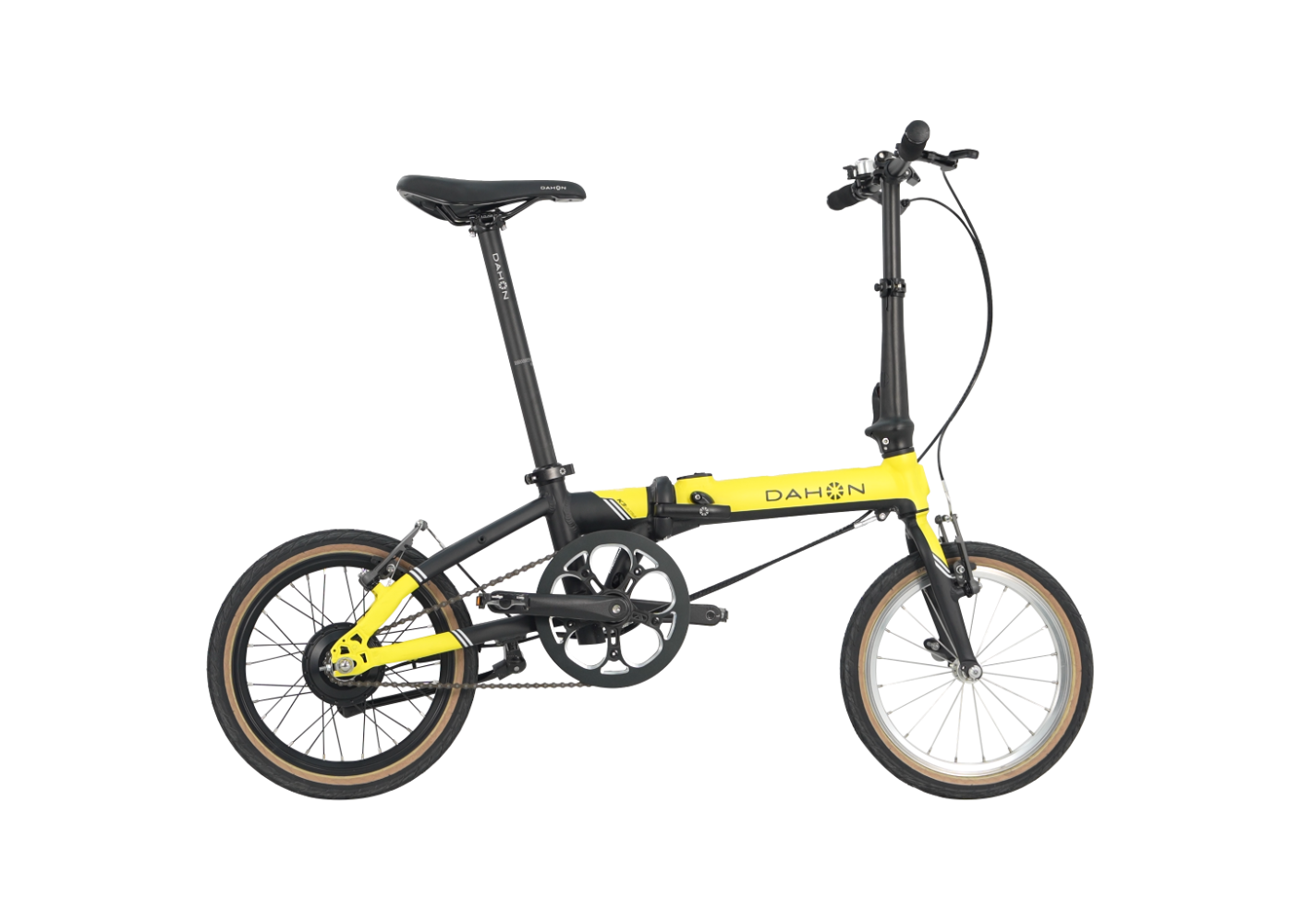
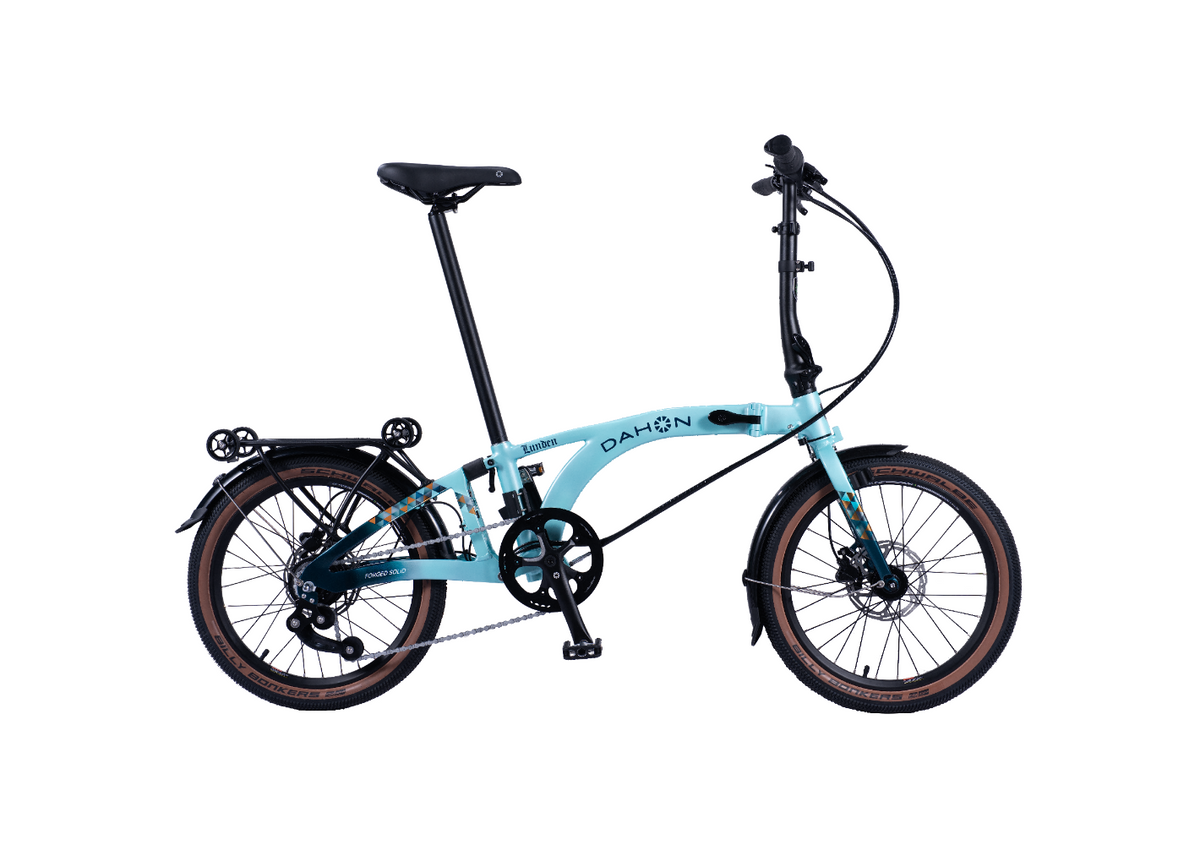
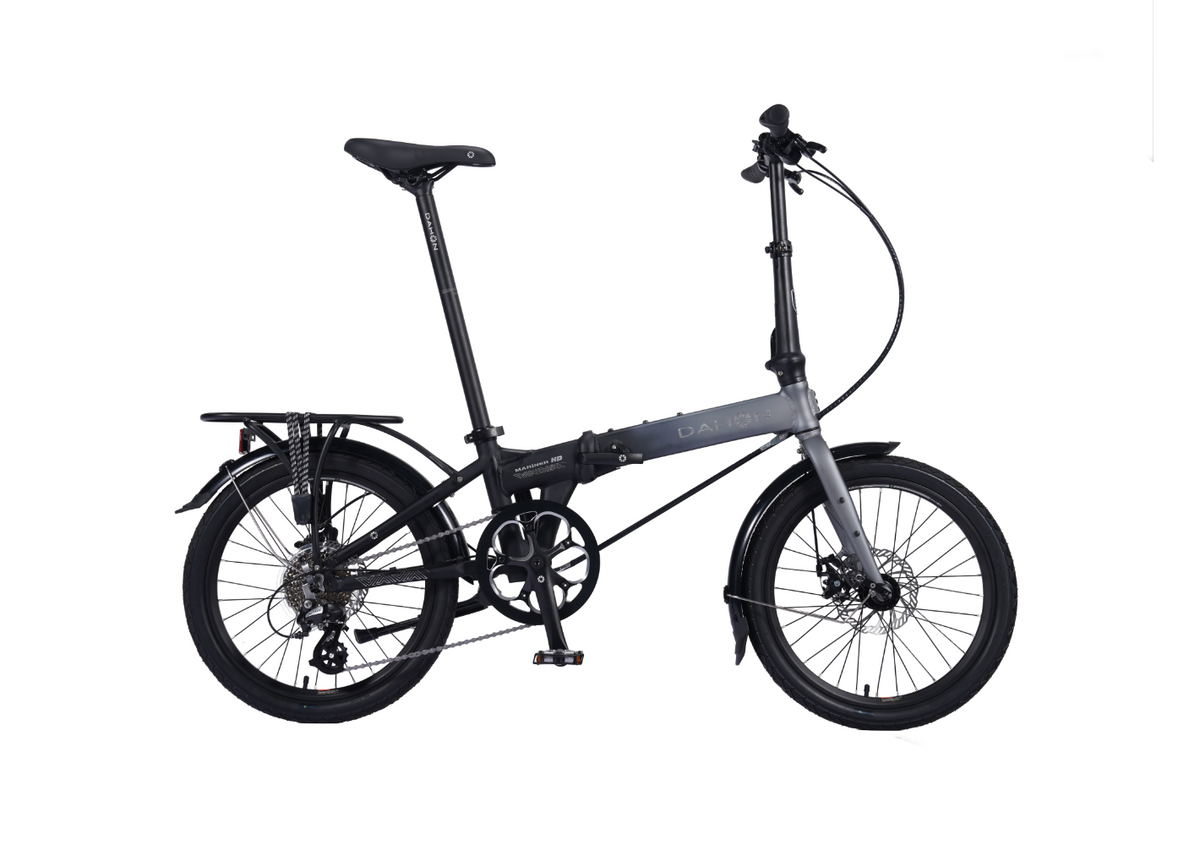
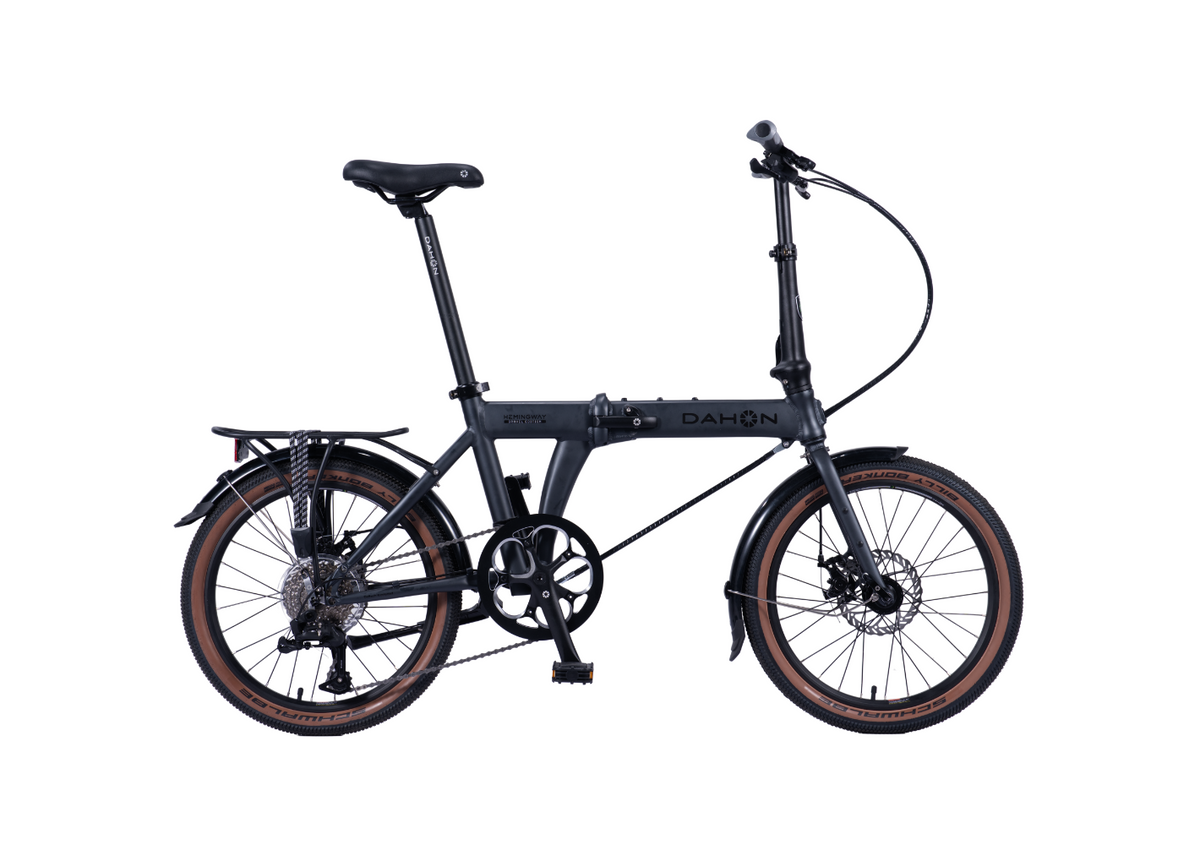
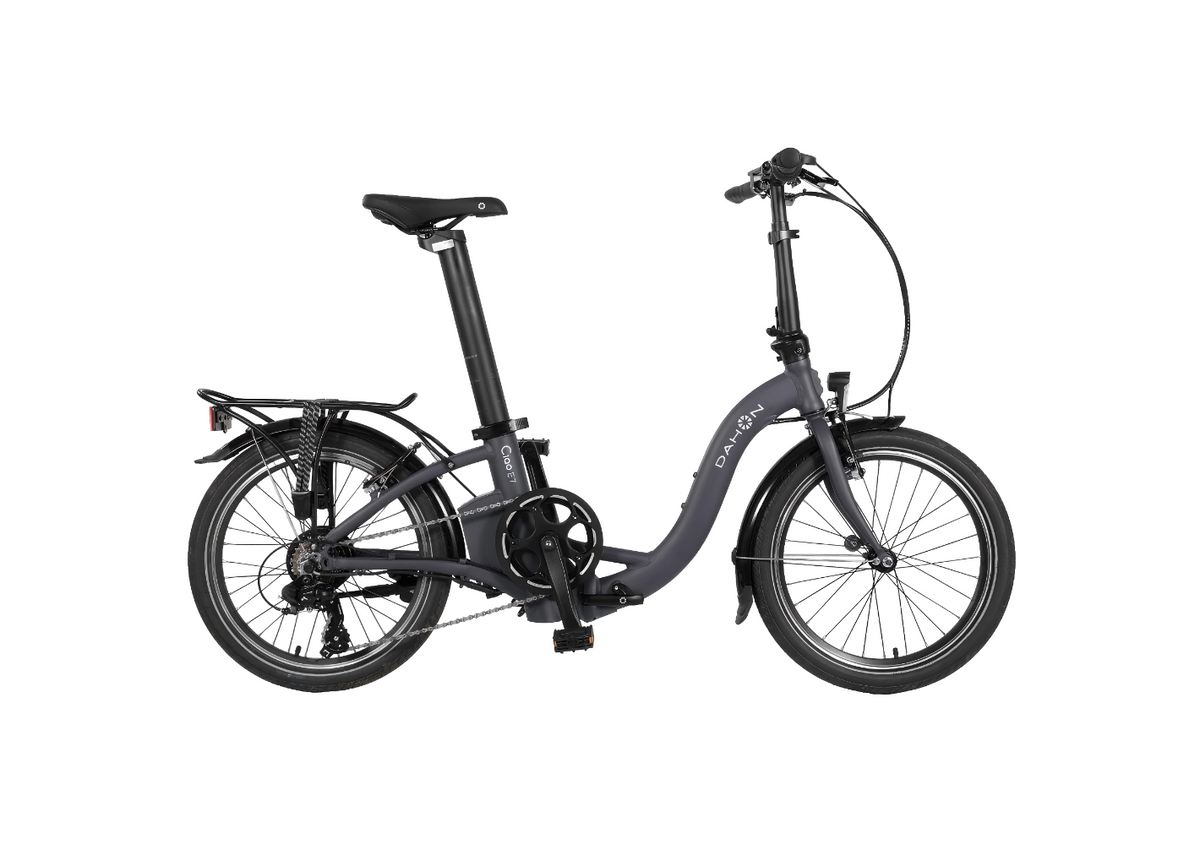
Drying a folding bike indoors works best as a short routine of its own. Park the bike somewhere secure so it cannot roll or fall, and leave the wet parts uncovered. Then wipe the whole bike with a clean, dry cloth, paying extra attention to the drivetrain and bolt heads, because these areas can hold water.
Folding the bike or putting it away is a separate step that comes after drying. No single drying time fits every ride or every room. What decides it is simple: would folding or covering the bike hide surfaces that are still wet?
Set up and wipe down the bike indoors
Start with a safe position, then remove the water you can reach. You need very little space and only a cloth.
Choose a stable spot with access to air
Stability comes first. Cycling UK's cleaning guide advises you to set the bike somewhere secure. Leaning it against a wall is fine, as long as it will not roll away or fall over. In a hallway or utility area, you will move around the bike with a cloth and bump it now and then. So before you start, give it a light push and check that it stays where it is.
Air access is the second part. This is a practical step rather than advice from the guide: keep the wet surfaces uncovered and exposed to room air while the bike dries. If space is tight at home, our storage plan for small spaces compares flats, offices and cellars by access, moisture and security.
Wipe the whole bike with a clean, dry cloth
Once the bike is stable, remove the water you can reach. The steps below follow Cycling UK's general bike-care guide. It is written for bicycles in general, not for folding bikes in particular, so it covers the parts every bike shares.

- Whole bike first: Cycling UK recommends that you take a clean, dry cloth and carefully dry the entire bike. The guide says this helps prevent rust.
- Drivetrain: This is the chain and the parts it runs over, such as the gears and the chainring at the pedals. The guide names it as an area likely to hold water, so give it extra care.
- Bolt heads: Water can sit in the small recesses of bolt heads. Press the cloth into them rather than just wiping across the top.
- Folding-bike parts: Wipe the accessible outer surfaces around hinges and clamps. For any maintenance, opening or adjustment beyond a surface wipe, check the instructions for your specific model.
If the bike is also muddy, a wipe alone will not be enough. Our guide to cleaning folding joints and drivetrain gives a full order of work for the frame, folding joints, chain, brakes and e-bike electrics.
Before folding or putting the bike away
Before folding or storing, check the specific areas that get tucked away or concealed. Folding brings frame sections and contact points together, which can trap remaining water away from circulating air.
Deciding whether to fold the bike depends on whether the surfaces inside are already dry. When you fold a bike, some surfaces end up pressed together or tucked out of sight where room air can no longer reach them easily. If those surfaces are still wet, leave the bike unfolded while they dry. If you need to fold it briefly, for example to carry it upstairs, unfold it again once it is in the drying spot.
To make the decision, look at the parts that will be hidden once the bike is folded. Run a dry cloth over them. If the cloth still picks up moisture, keep the bike open a while longer and check again later. If the cloth comes away dry and the surfaces look dry, you can fold the bike.

Long-term storage follows the same logic: wait until the bike is fully dry before placing it in a bag, under a cover or inside a closed cupboard. Once dry, our tips on storing a folding bike at home help you plan floor space, folded size and weight.
Folding systems differ between models in our folding bike range. For questions about a specific hinge, latch or clamp after a wet ride, use the instructions for your exact model as the reference.
FAQs
What kind of cloth works best for drying a folding bike?
Use a clean, dry and soft cloth; a microfibre cloth is particularly effective. Keep separate cloths for the frame and drivetrain to avoid transferring grit or lubricant. Cycling UK's guide notes that a microfibre cloth is particularly effective. Keep the cloth clean, because a cloth that already carries grit from the chain can spread dirt onto the frame. It helps to keep one cloth for the frame and a separate one for the drivetrain.
Should I clean the bike before drying it, or just dry it?
It depends on what the ride left behind. After a ride in clean rain, wiping the bike dry may be sufficient, but check the chain afterwards and reapply a suitable bicycle lubricant if the existing lubrication has been washed away. If the bike is covered in road spray or mud, clean it first and dry it afterwards. In Cycling UK's guide, washing is followed by drying and, where the chain has been cleaned, reapplying a suitable bicycle chain lubricant.
Does the routine change for an electric folding bike?
The basic steps stay the same: a secure spot, uncovered wet surfaces and a cloth wipe of the parts you can reach. How you handle the battery, display, cables and connectors after rain depends on the system fitted to your bike. For our electric folding bikes, follow the manual for your exact model on any step involving the electrics.
How long should I wait before folding the bike?
No fixed waiting time works for every case. How wet the bike got, how warm the room is and how much air moves around it all make a difference. Instead of watching the clock, use the cloth check on the surfaces that folding would hide. Once the accessible folding contact areas are visibly dry and the cloth no longer picks up moisture, the bike can normally be folded. Follow the model manual if its folding mechanism requires additional drying or inspection.