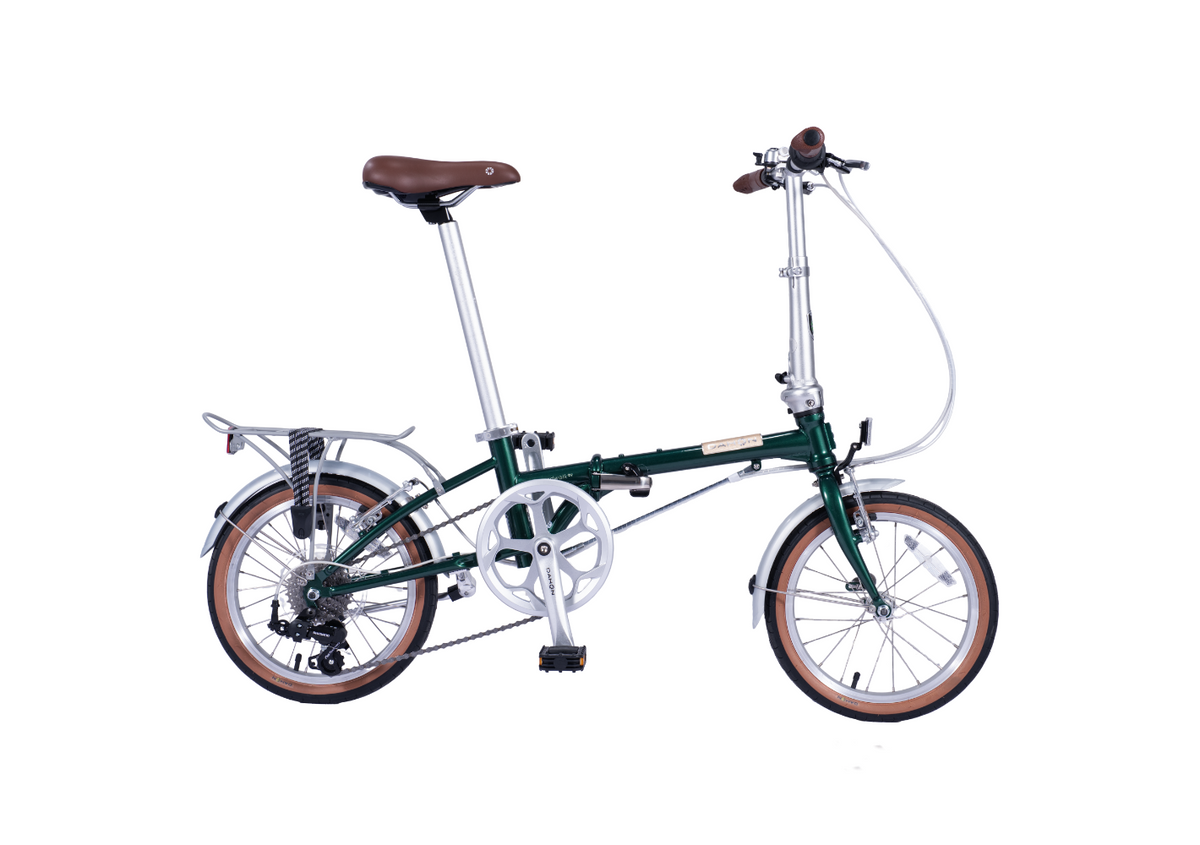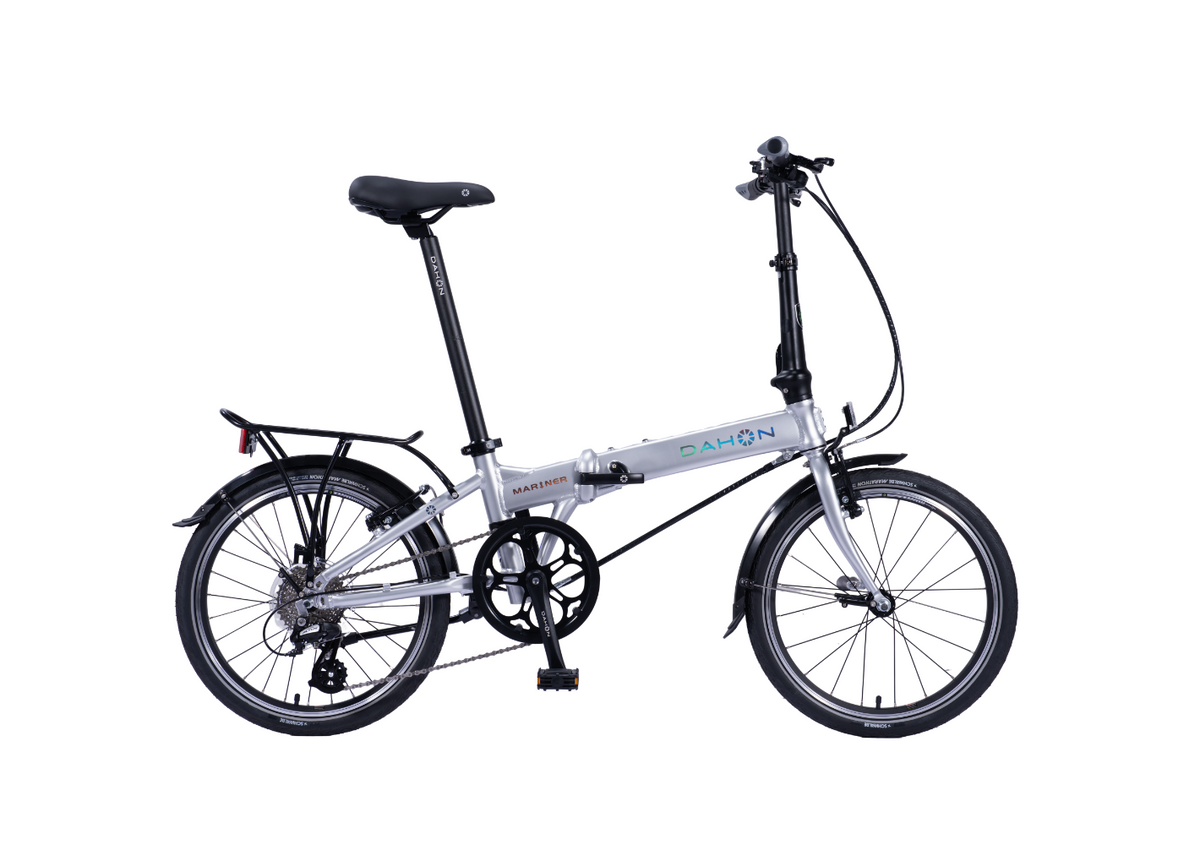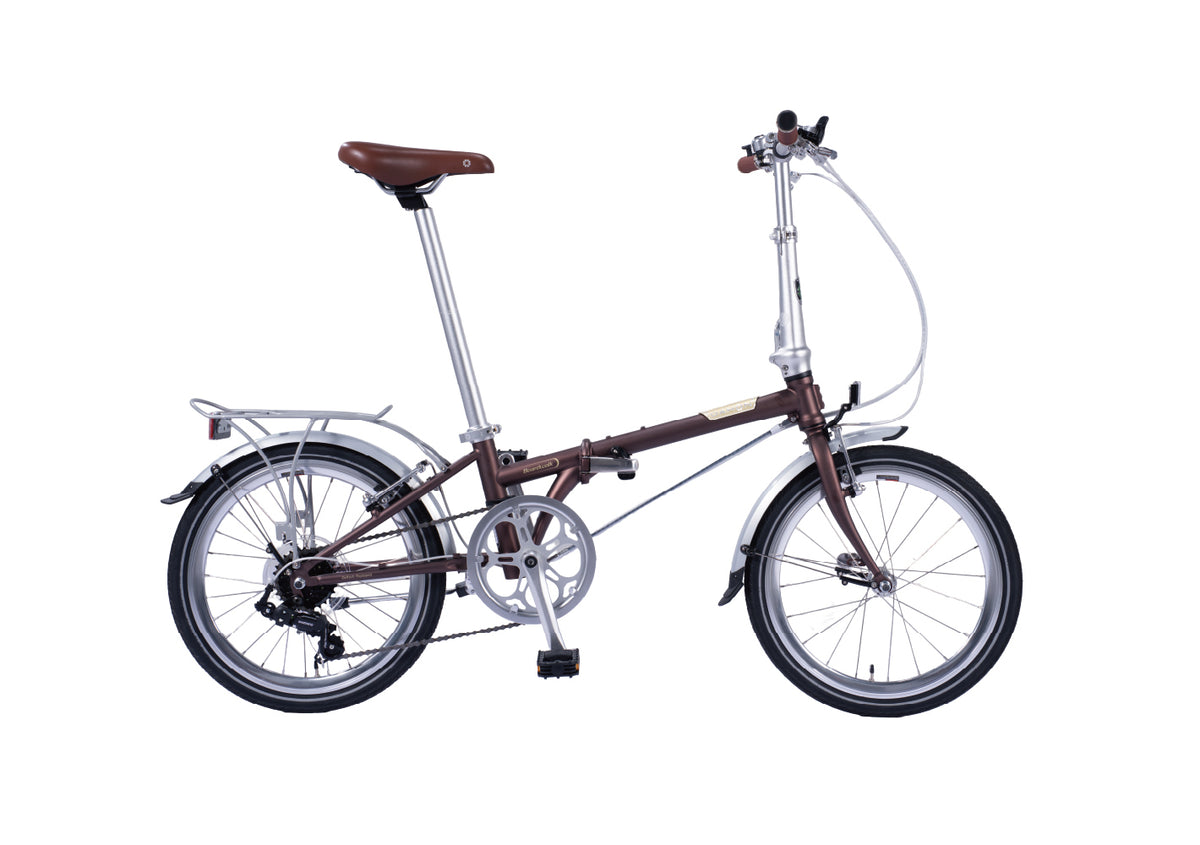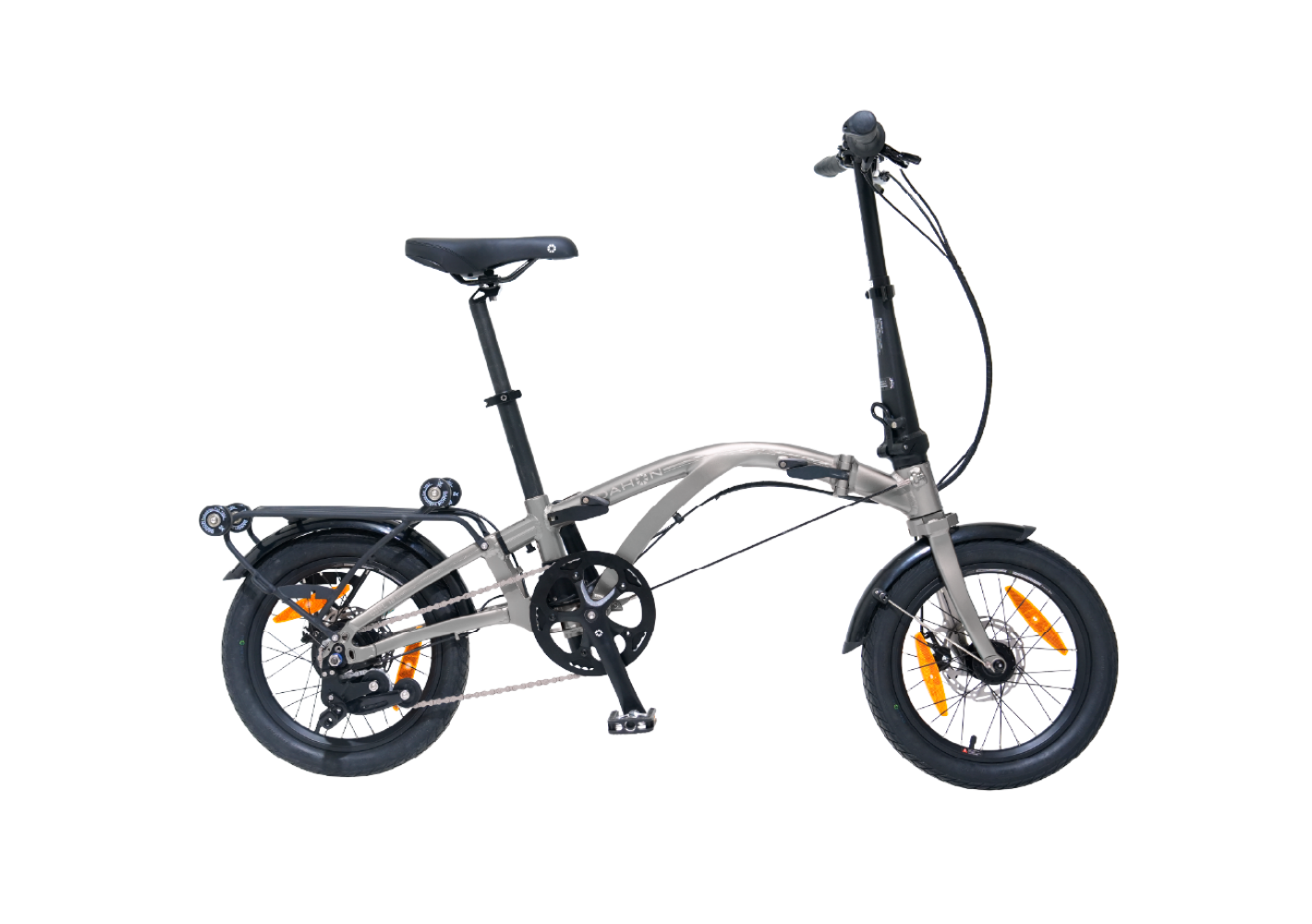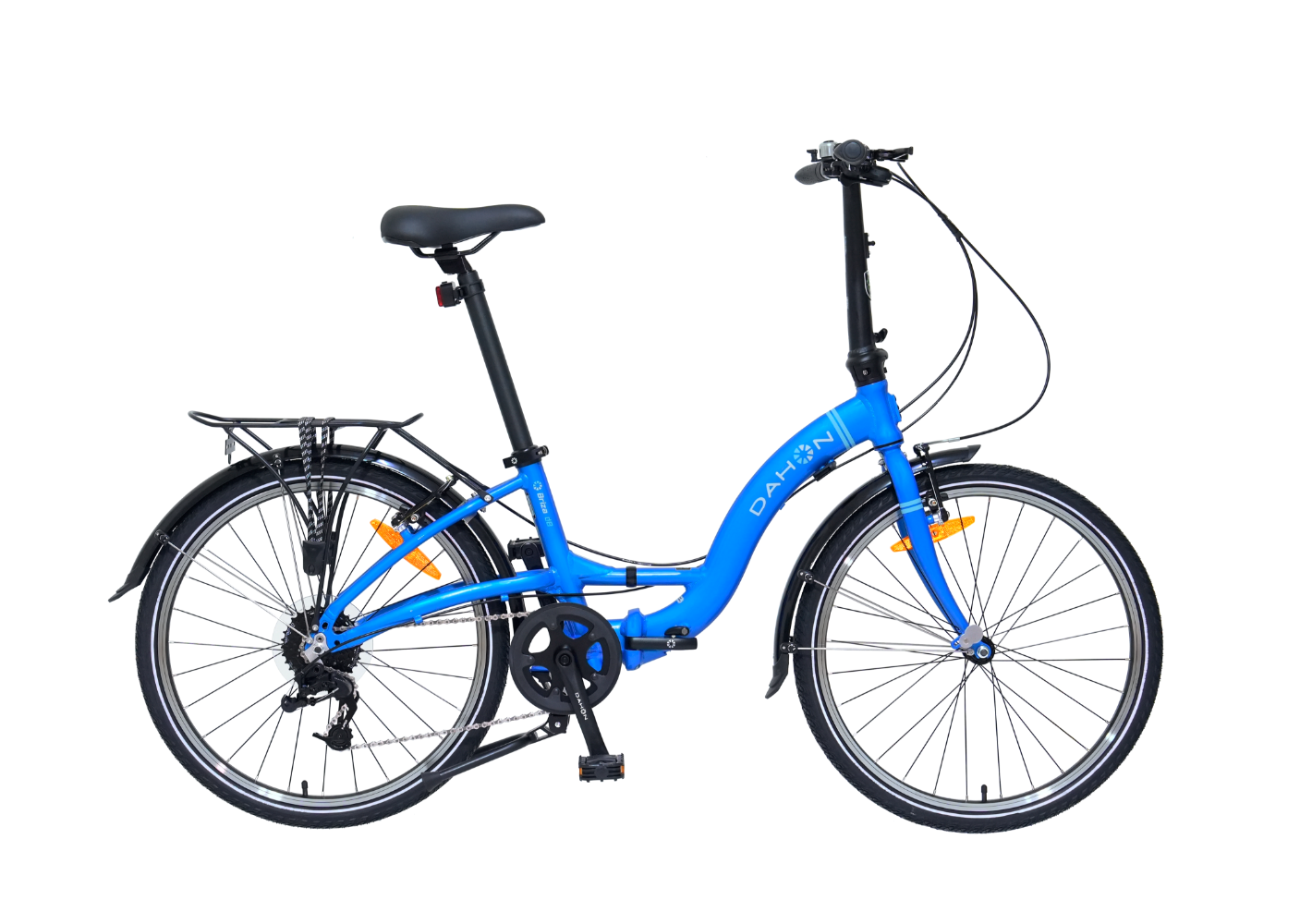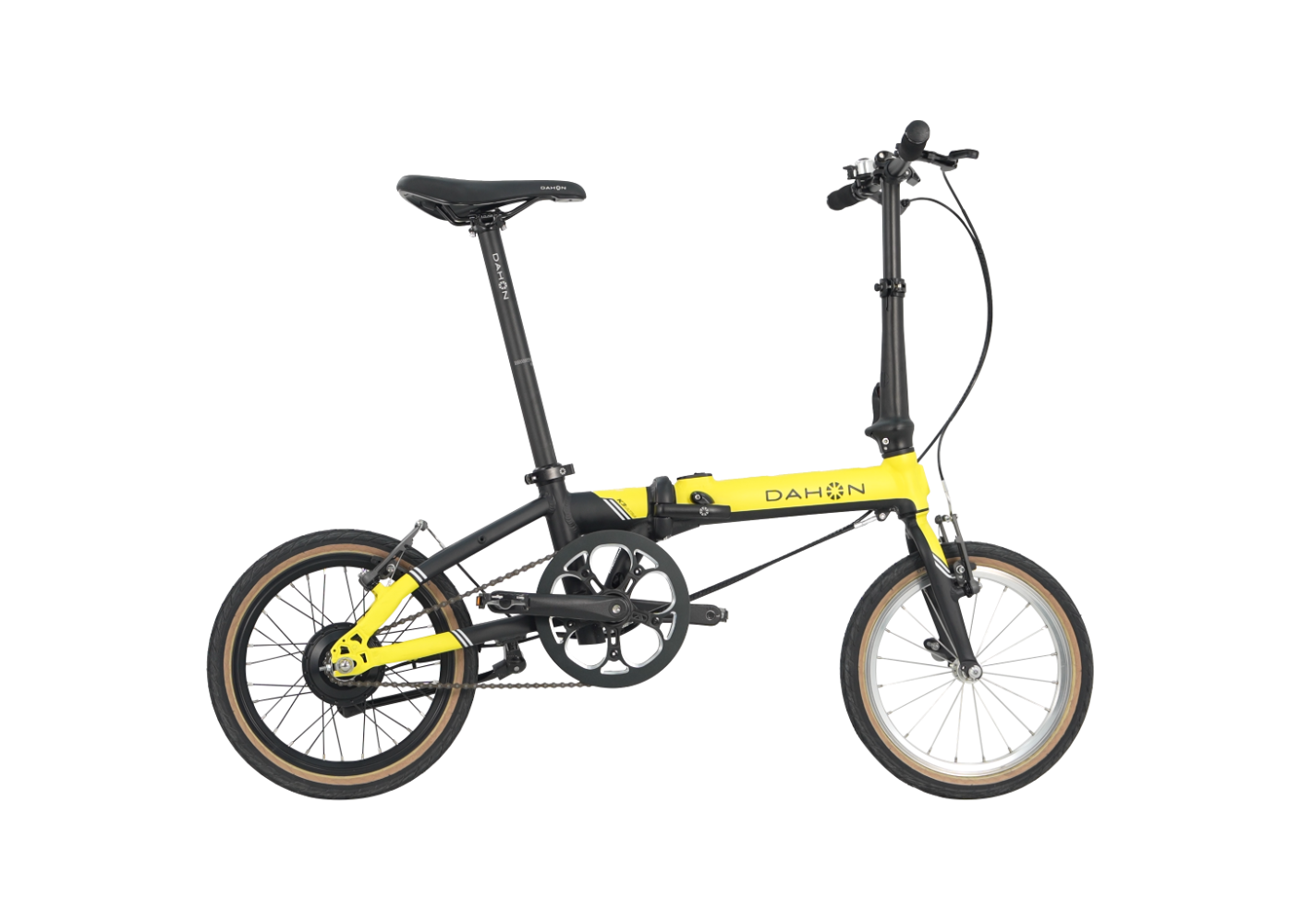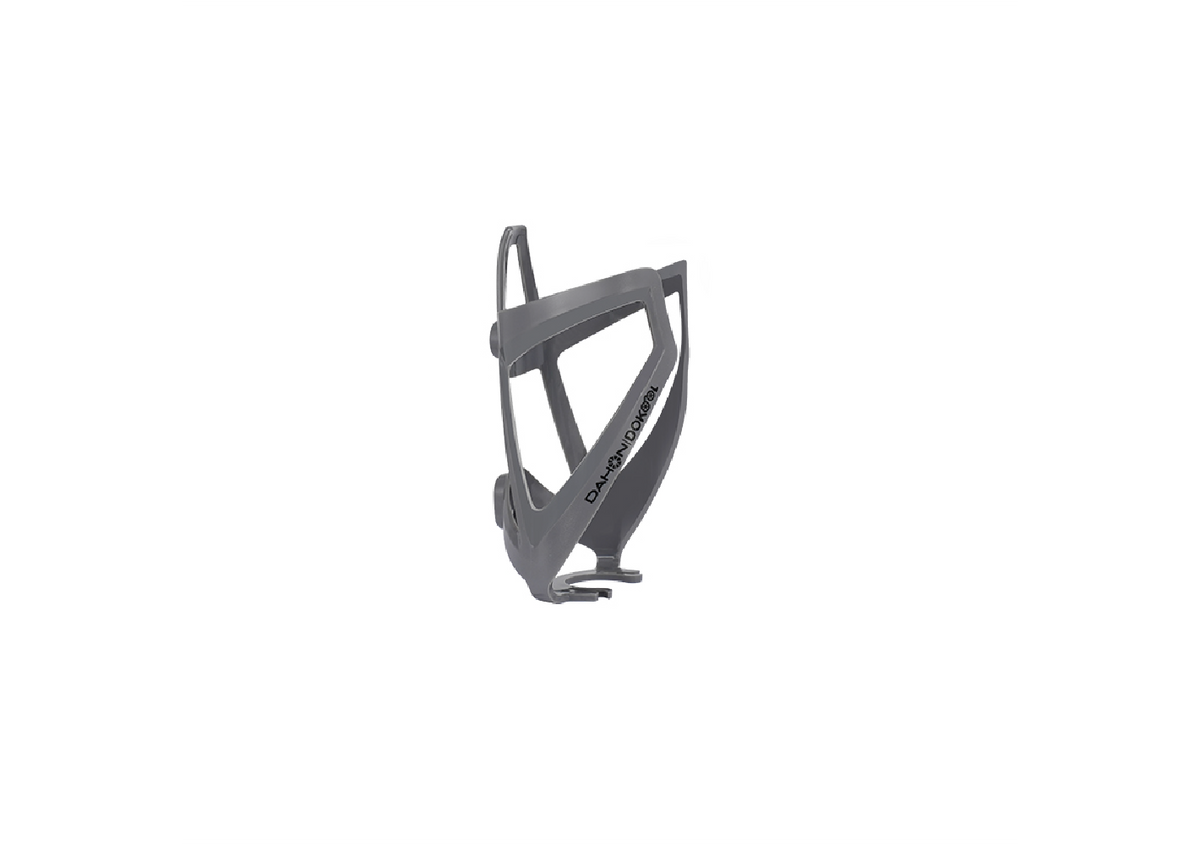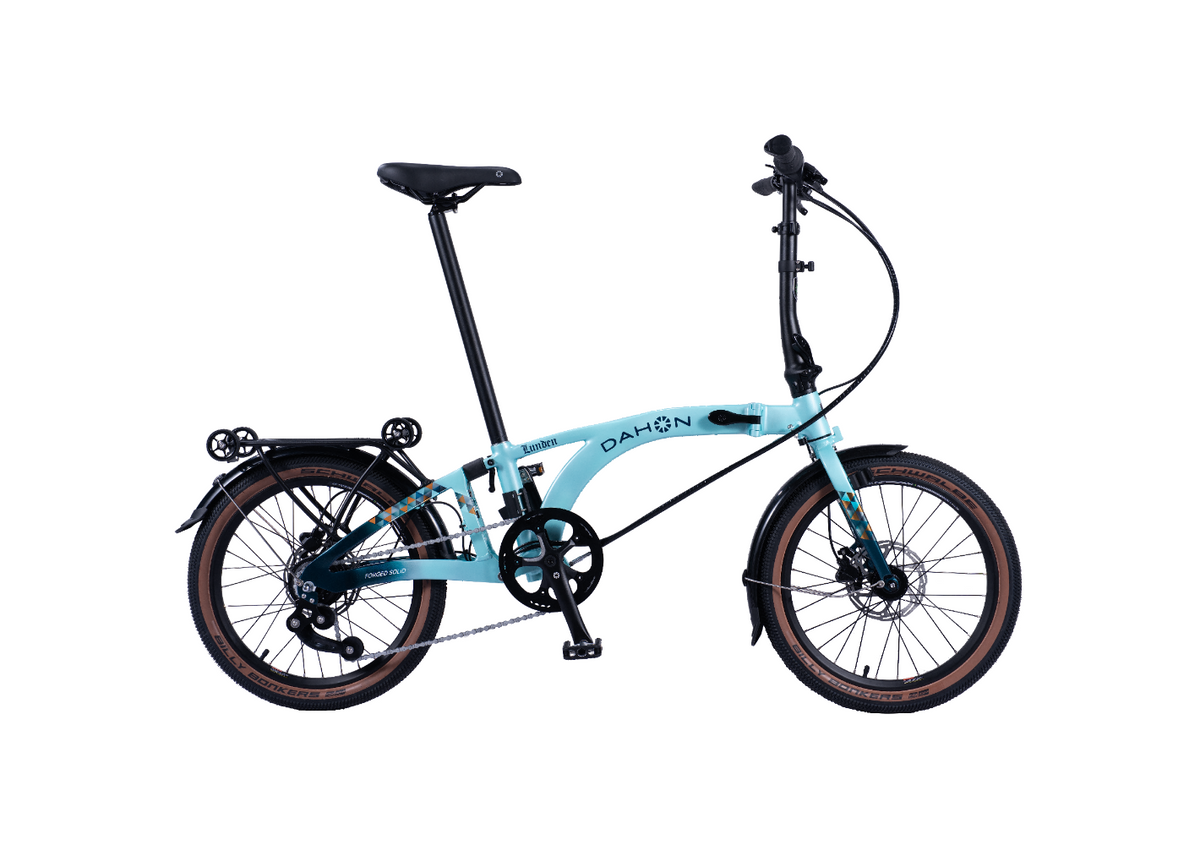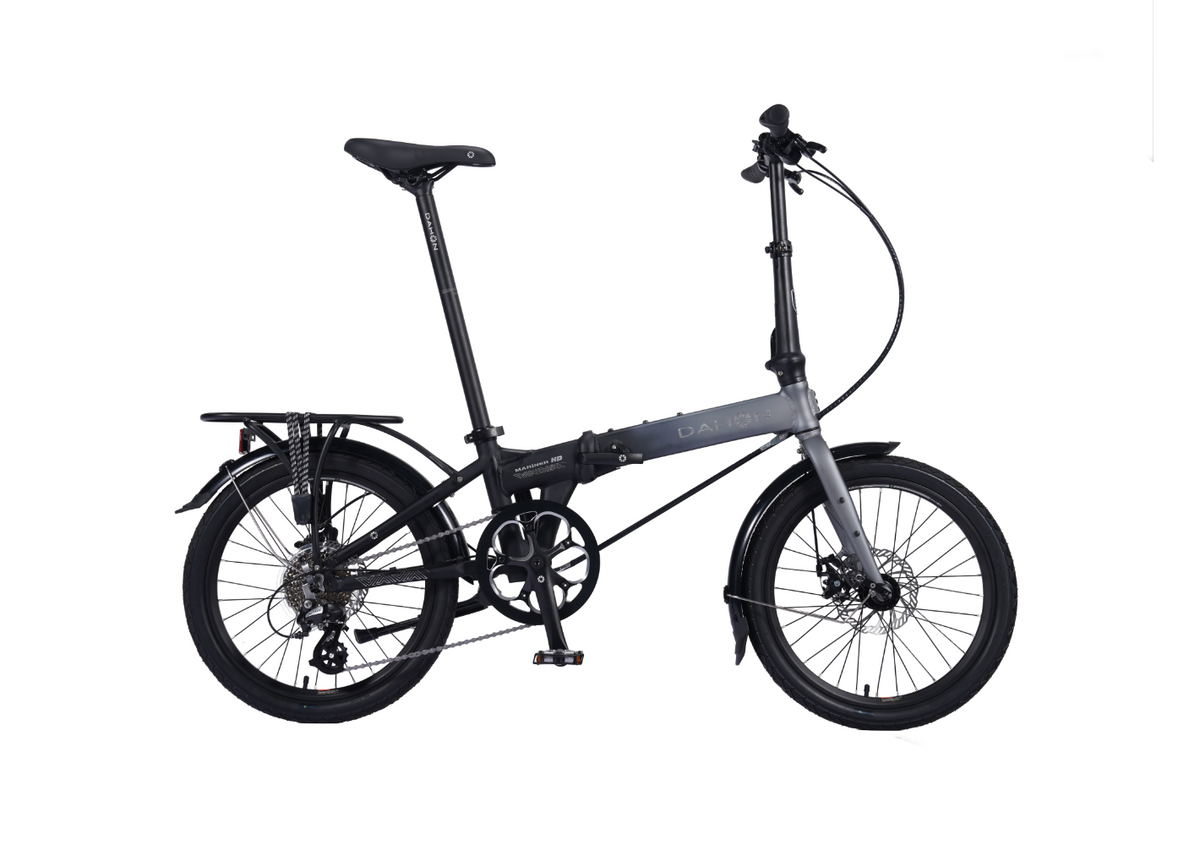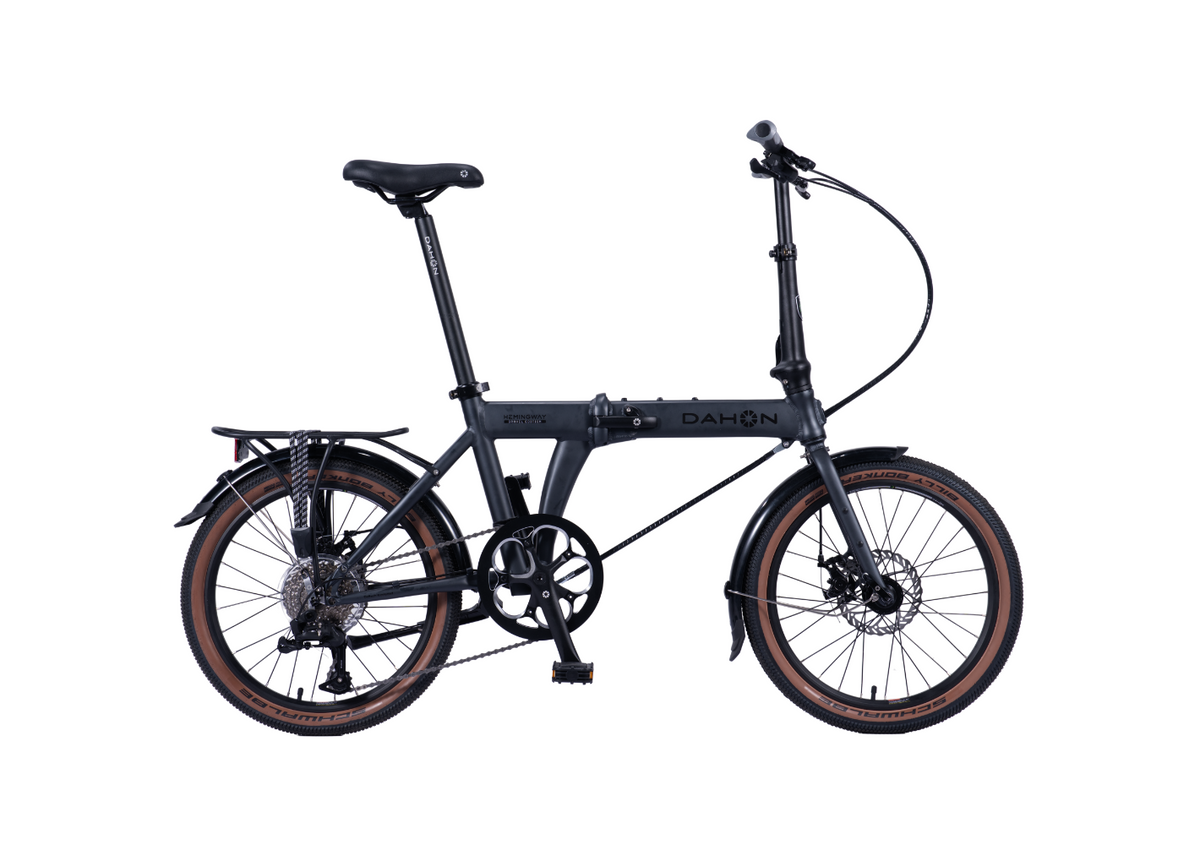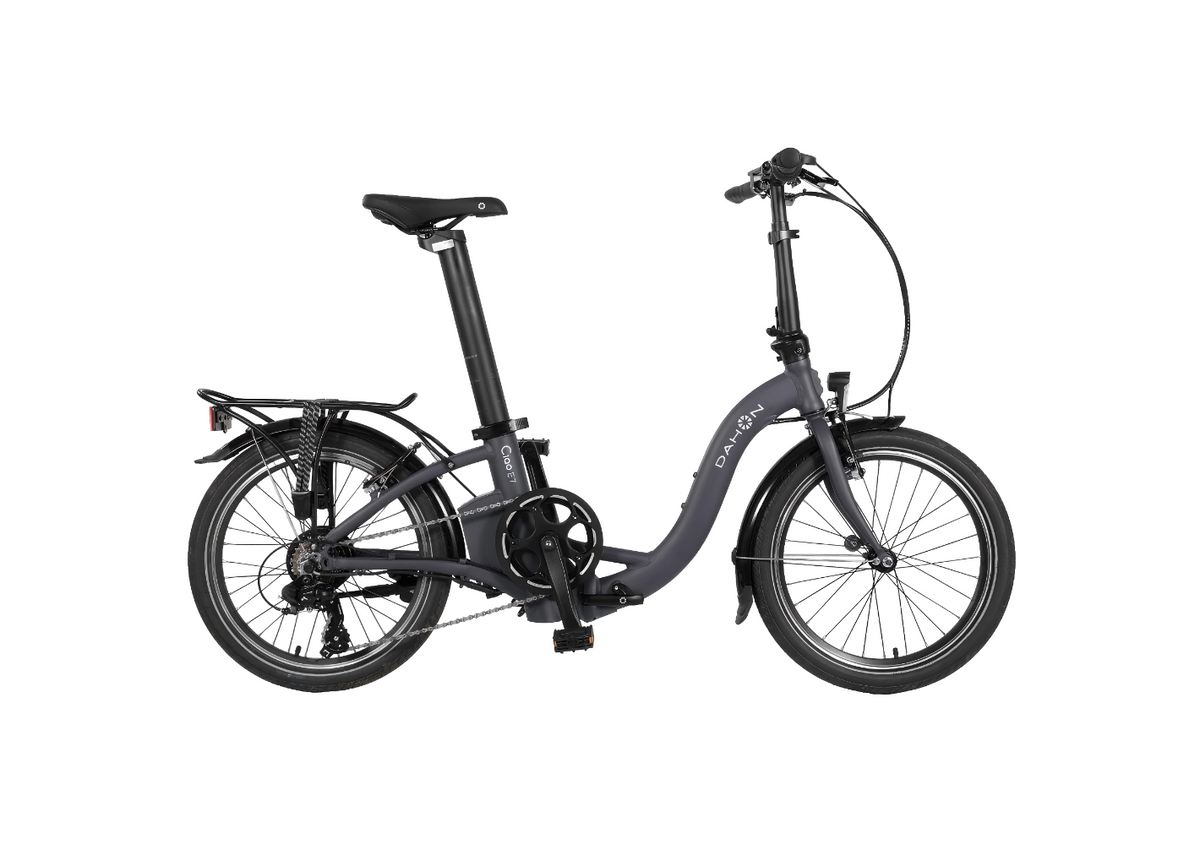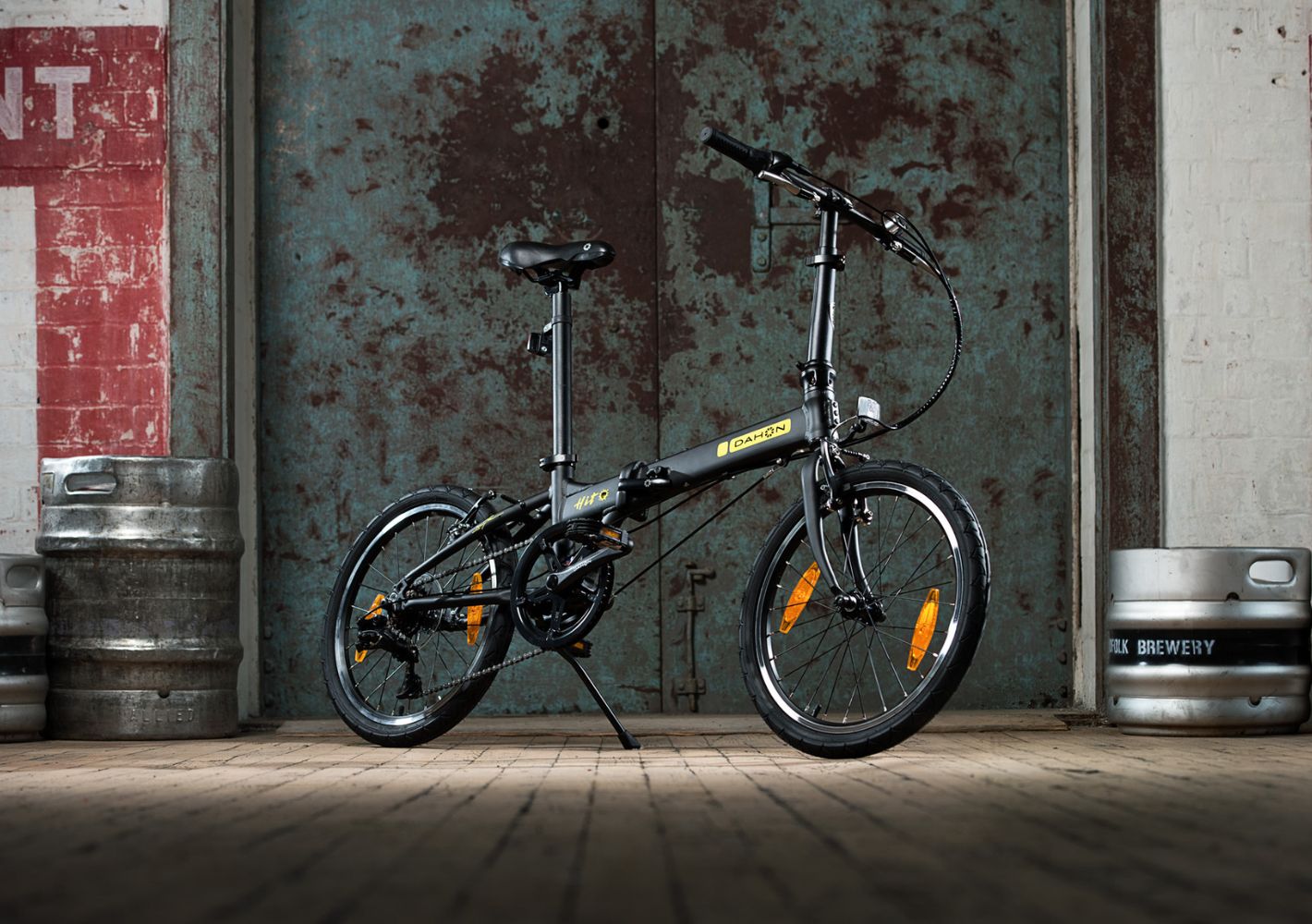
A folding bike is a good commuter bike if folding, carrying, or space-saving storage in the office makes your daily commute easier. This is especially true if you regularly switch between cycling and public transport or if your office has limited storage space.
You should not choose your equipment based on a general list of accessories, but rather according to the section of your commute that causes the most effort in daily life: the actual ride, the transfer including the folding process, or secure storage at your destination.
The following commute scorecard will help you weigh these sections and derive a clear priority for lighting, weather protection, luggage, folded dimensions, and service.

Is a folding bike right for your commute?
Whether a folding bike is worthwhile as a commuter bike depends on the daily combination of riding, folding, and parking. You benefit the most if at least one of these sections regularly presents a noticeable hurdle.
When the folding bike plays out its commuting advantage
Compact folded dimensions and secure office storage are a real everyday advantage if you have to take your bike into the building daily. This is especially true if you transfer frequently or have limited storage space available. In these cases, low weight and an easy-to-use folding process pay off immediately, as they noticeably shorten the journey from the platform or parking space to your desk.
When a different routine might make more sense
If you cover your commute almost entirely by bike without transfers, maximum compactness during the ride is usually less important. However, it can still be decisive at the destination if little storage space is available. In that case, folding happens at most once at your destination. In this situation, another category of bicycle with more riding comfort or a different approach, such as a second bike kept permanently at the destination, might be the more practical choice. Therefore, first check how often you actually need to fold or carry the bike.
Commute scorecard: Weighting requirements by relevance
The scorecard translates your entire commute into testable priorities rather than an abstract model comparison. Assign a priority and a concrete next step to each phase.
Recording the six commute phases
| Commute phase | Concrete burden | Desired folding bike feature | Priority | Test step |
|---|---|---|---|---|
| Route | Distance, incline, traffic | Riding comfort, suitable number of gears | high for long distances | Test ride the route once |
| Transfers and folding | Frequency of the folding process | Low weight, short folding time | high with multiple transfers | Practice folding at home first and check the time and space required at a safe, non-obstructive spot at the station later. |
| Weather and visibility | Rain, twilight, darkness | Mudguards, approved lighting | high for year-round commuting | Check lighting before the dark season |
| Luggage | Laptop, clothing, documents | Backpack-compatible storage or rack | medium to high depending on amount | Note down luggage amount for one week |
| Office space | Storage area, maneuvering | Compact folded dimensions, stable stand | situation-dependent | Measure storage space in the office |
| Maintenance and service | Regular wear and tear | Good access to spare parts and service | medium, but permanently relevant | Check service intake, spare part access, and warranty conditions separately |
Turning the scorecard into a purchasing priority
Solve the phase with the greatest daily friction first, not the one with the longest list of accessories. Distinguish between indispensable basic equipment, such as brakes and lighting, and additions that only become important in certain weather or for specific luggage. This weighting remains individual and is not an objective model score.
What equipment matters most for daily rides
Check the legal traffic safety requirements first, then weather and luggage solutions based on your own needs. Optional accessories come later.
Basic equipment for operation and visibility
- Two independently operating brakes, a loud bell, and pedals with reflectors are part of the basic equipment of a roadworthy bicycle, according to the practical classification by the ADFC.
- Check before your daily commute whether the specific folding bike possesses the lighting required by § 67 StVZO and the necessary reflectors.
- Removable lights must be attached and ready for use at twilight, in darkness, or whenever visibility conditions require them.
Weather and splash protection for everyday life
- In daily rain, mudguards are a high priority because they noticeably protect clothing and luggage.
- In occasional rain, a simple splash guard can reduce dirt accumulation. However, which covering is necessary depends on whether clothing, shoes, and luggage need protection from spray from the front and rear wheels.
- On predominantly dry routes, this equipment can be treated as secondary, but should fit the folding process and compatibility if part of optional components.
Luggage solutions based on office needs
- For frequent folding and carrying, a backpack can be practical because it does not need to be removed from the bike. On longer cycling stretches, however, a compatible rack bag can relieve your back.
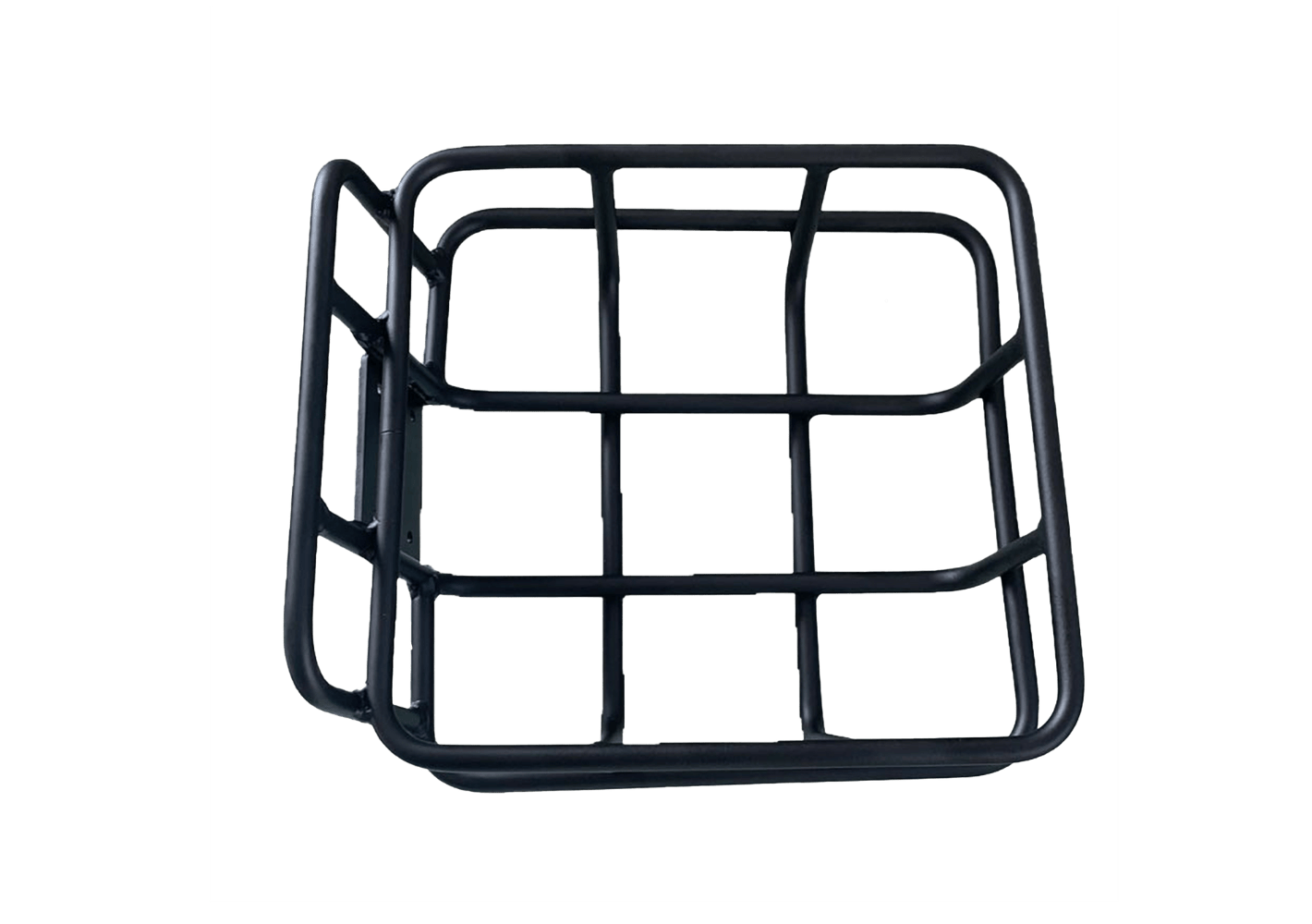
- For regular changes of clothes, a rack with a bag can be more practical, provided the model is designed for it.
- Check every accessory combination for compatibility before purchasing instead of combining parts without verification.
Folding, carrying, and stowing in a small office
The decisive comparative factor is the complete transport from the parking spot to your desk, not just the folded dimensions. Balance folded size, weight, and folding effort against the length of your cycling portion.
Folded size and weight in the actual building routine
| Usage profile | Folded dimensions | Weight | Folding effort | Carrying path and office storage |
|---|---|---|---|---|
| Frequent folding and carrying | As compact as possible, check at doors and elevators | Low weight is noticeably more important | Should succeed in a few, simple steps | Must stand securely next to the desk or in a niche |
| Rare folding with long cycling portions | Compactness secondary to riding comfort | Slightly higher weight acceptable | Once daily, time required less critical | A fixed parking spot at the destination is usually sufficient |
Planning maintenance and service for daily use
A short functional routine protects the predictability of your commute. Service and access to spare parts are just as much a part of the purchase decision as the price.
Routine for wear and functional checks
- Check brakes regularly for function and braking distance.
- Check the lighting system for brightness and firm fit before every dark ride.
- Check tires for tread, pressure, and visible damage.
- Clean the chain and take it to a specialist shop if abnormalities arise, rather than ignoring the problem in daily traffic.
Service as a purchase criterion
A folding bike is only as available in everyday commuting as its service access. Therefore, clarify warranty and spare parts conditions directly in the product documents before purchasing and plan an alternative commute for longer service cases.
Plan trains and public transport as a separate test step
Taking a bike on public transport is an additional condition and not proof of a folding bike's general suitability. Check this point separately from the equipment selection.
- Clarify whether you will carry the bike folded on your route. Deutsche Bahn mentions folded folding bikes as free carry-on luggage without a bicycle ticket or reservation.
- Stow the folded bike so that passageways, doors, and safety equipment remain clear.
- For local transport, check the conditions of the specific transport company and network used, as deviating tariffs and sometimes time restrictions apply here.
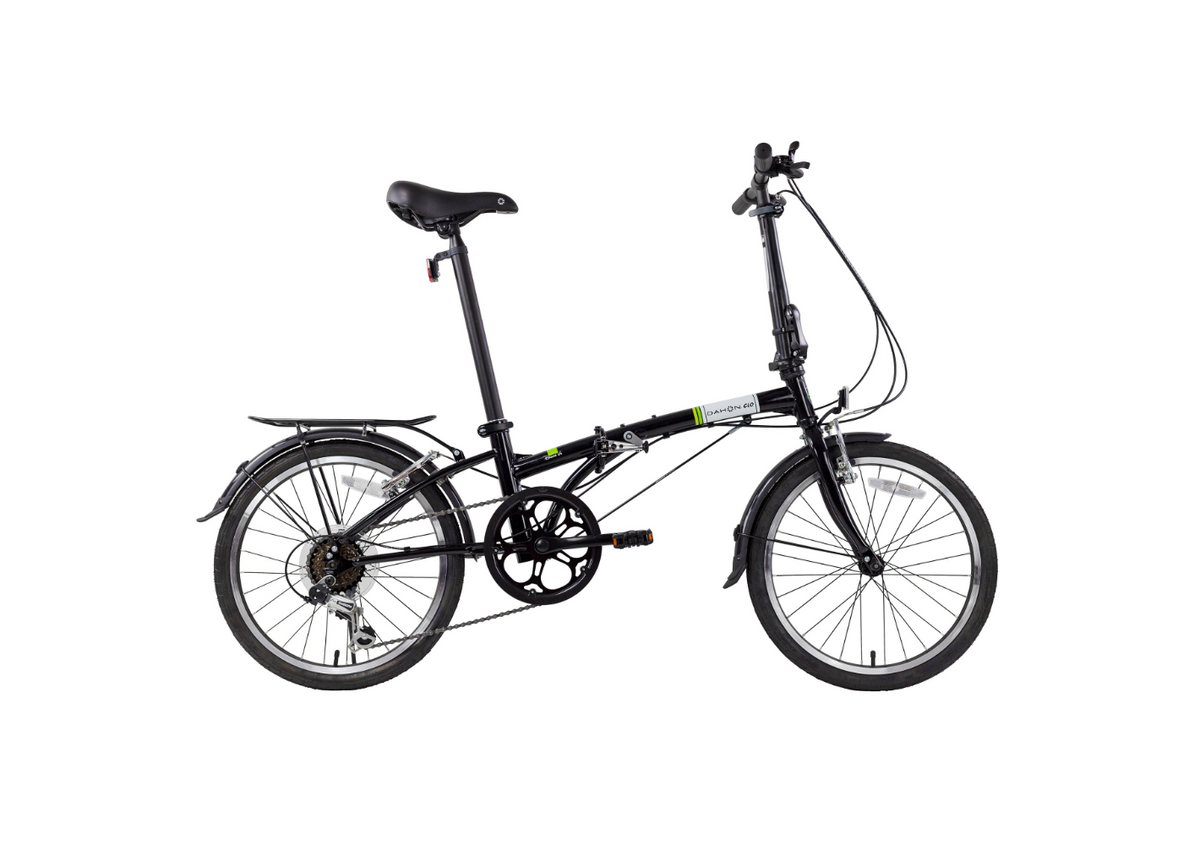
We recommend the DAHON HIT D6 for a profile where frequent folding, carrying, and compact indoor storage are in the foreground. The DAHON HIT D6 is specified with a weight of 11.54 kg, folded dimensions of 65 × 34 × 82 cm, and a 6-speed Shimano gear system. According to current product specifications, mudguards and a luggage rack are already included.
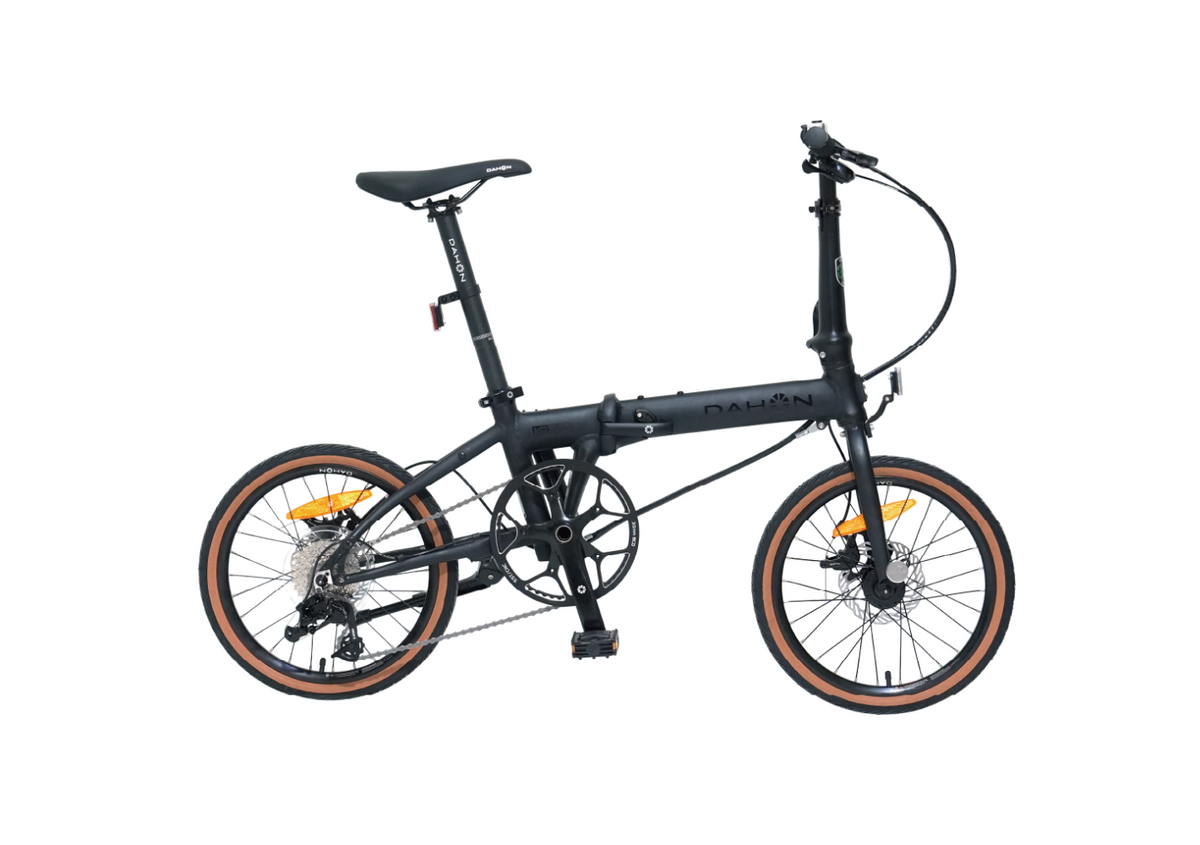
If your scorecard instead results in a long cycling portion with few transfers, weight gear count and riding comfort higher than folded dimensions. In this case, compare variants with more gears in the DAHON model overview and check weight, folded dimensions, and accessory approval for your specific needs there.
Your commuter bike checklist and the next step
Fill out the scorecard, test the folding and parking route, and then confirm model, accessory, and service details. This way, you will make your choice for a commuter bike based on your actual commute.
- Record your commute in terms of distance, transfers, weather exposure, luggage, and office space.
- Mark which equipment is indispensable for you using the scorecard.
- Test the folding process in a safe environment first. Then, at the station, only check if the time required, carrying path, and intended folding point work under real conditions.
- Verify folded dimensions, weight, accessories, and warranty conditions of the desired model on the respective product page.
- Confirm service and public transport conditions before ordering from the dealer.
Afterward, use the appropriate DAHON product page or the dealer to specifically confirm the open details and make your choice.
FAQs
What equipment does a folding bike need for daily commutes?
Check brakes, bell, reflective pedals, and approved lighting as basic equipment first. Categorize mudguards and a suitable luggage solution afterward according to your weather and office needs.
How can a folding bike be sensibly accommodated in a small office?
Measure the actual storage location first and compare it with the folded dimensions, doors, and carrying path. Measure the storage area and check if the folded bike stands securely, does not block escape routes, and can be moved through doors or elevators.
Which maintenance is particularly important for daily commuting?
Check brakes, lights, tires, and the chain regularly for function and visible wear. Follow the operating and maintenance manual of the specific model. With daily use, a workshop can additionally adapt the test intervals to mileage, weather, and wear condition.
Can I take a folding bike on the train?
Folded folding bikes are considered free hand luggage by DB as long as passageways and doors remain clear. For local transport, check the conditions of the specific transport network in addition.